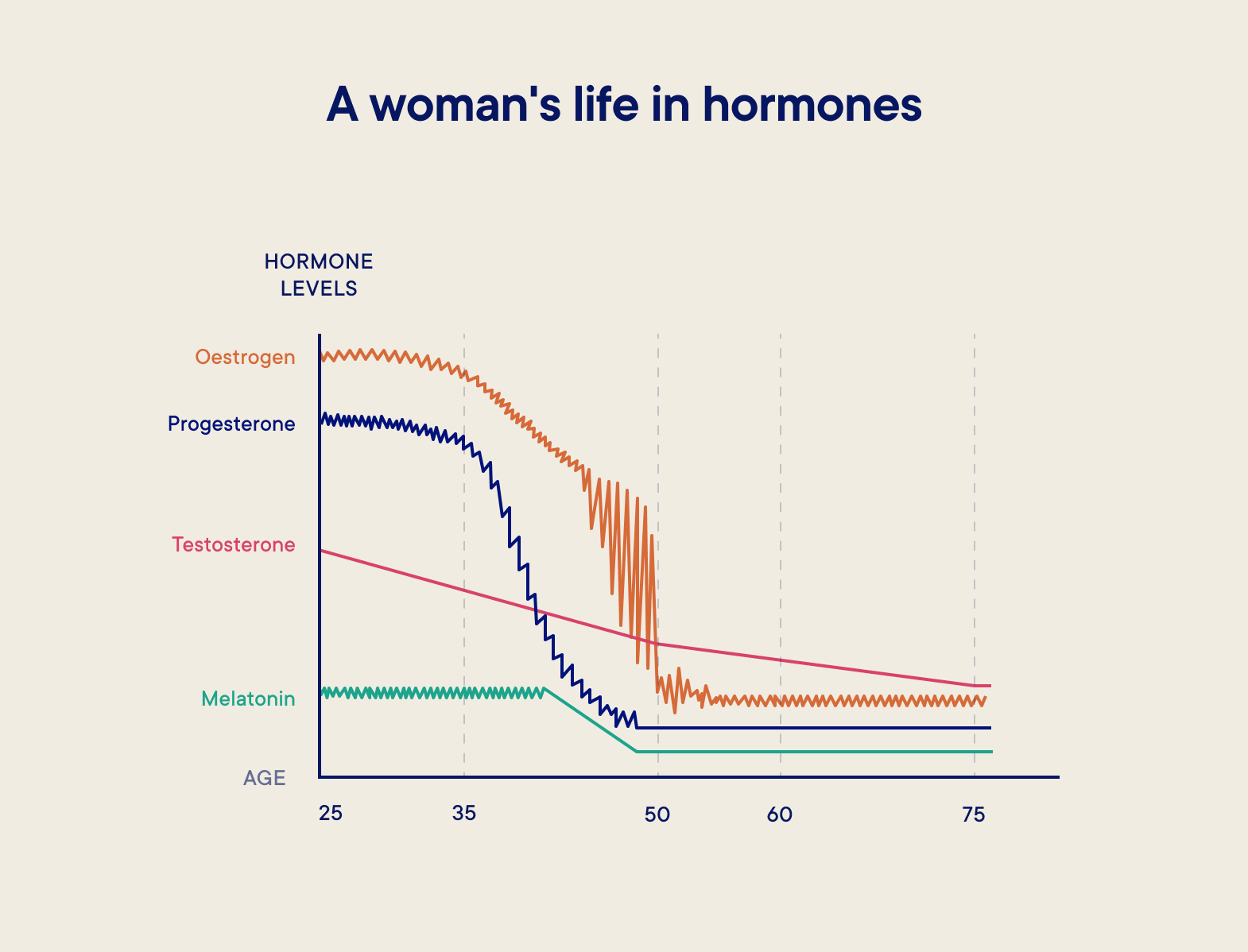
Navigating Perimenopause: A Recalibration of the Entire Hormone System
Similar to puberty, perimenopause is a recalibration of our entire hormone system.
As we reach our mid-30s, our bodies begin a hormonal recalibration that often goes unnoticed but can have a significant impact on our well-being. This transitional phase, known as perimenopause, can last anywhere from two to ten years leading up to menopause. During this time, physical and emotional changes can affect how you feel, and understanding perimenopause can be key to maintaining energy, mood, and comfort.
What Happens in Perimenopause?
Perimenopause brings a series of hormonal shifts that affect our menstrual cycle and overall health. One major shift is the decline in progesterone levels, which often happens faster than the decline in estrogen. This leads to a state of “unopposed estrogen”, where estrogen levels are high relative to progesterone. This hormonal imbalance can contribute to many of the symptoms you might experience:
Low progesterone can increase anxiety, breast pain, heart palpitations, night sweats, migraines, and heavy periods.
Excess estrogen or unopposed estrogen contributes to irritability, heavy bleeding, breast tenderness, and weight gain.
Recognising Unopposed Estrogen Symptoms
If these changes resonate with you, know that you’re not alone, and there are ways to manage these symptoms to feel more balanced. The imbalance created by unopposed estrogen during perimenopause can lead to a range of symptoms, such as:
Heavier or longer periods due to a thicker uterine lining
Shorter menstrual cycles (less than 25 days)
Breast tenderness, swelling, or lumps
Difficulty staying asleep, especially waking mid-sleep
Increased menstrual cramps and migraines
Premenstrual mood swings and anxiety
Weight gain, particularly around the abdomen and thighs, without dietary changes
Supporting Your Hormonal Health Through Perimenopause
The good news is that many of these perimenopausal symptoms can be alleviated. Nutrition, movement, and stress management are foundational for keeping hormones in check, and our Go Diet Free program has been designed to support you in building these habits.
In addition to lifestyle changes, we use several evidence-based strategies to help balance hormones, including:
Nutritional Support for Estrogen Metabolism
Fibre, Magnesium, B vitamins, and DIM support estrogen breakdown. Low fibre intake can lead to reabsorption of estrogen and worsening symptoms
Cruciferous vegetables help shift estrogen into more favourable pathways - broccoli, cauliflower, cabbage, Brussels sprouts
Fibre is essential for eliminating estrogen via the gut - aim for 5-6 handfuls of veggies daily, and a serve of nuts or seeds
Protein for Hormone Balance
Protein supports hormone production, liver detoxification, and blood sugar stability, and helps reduce cravings, energy crashes, and overeating
Aim for ~20-30g protein per meal
General guide: ~1.2-1.6g per kg body weight per day (adjust for activity levels)
Prioritise: eggs, fish, chicken, red meat, Greek yoghurt, legumes
Carbohydrates & Weight Management
Excess refined carbohydrates can drive insulin resistance and fat gain. Higher body fat = increased estrogen production
Focus on quality over quantity - start at about ½ cup of carbohydrates per meal
Reduce: sugar, processed snacks, refined carbs
Prioritise: vegetables, berries, legumes, whole food carbs
Nervous System Support
Support GABA - the brain’s calming neurotransmitter, which can improve sleep, mood, and stress resilience
Magnesium & B6 may reduce PMS, headaches, muscle tension, and hot flushes
Taurine can further support calming and nervous system regulation
Histamine & Hormone Symptoms
High histamine may worsen migraines, breast tenderness or skin irritation. Estrogen and histamine can amplify each other. A low-histamine approach may help in some cases (individualised)
Liver Support (Key for Hormone Health)
The liver is responsible for breaking down and clearing estrogen
Support it by:
Eating enough protein
Including bitter greens (rocket, kale, herbs)
Staying well hydrated
Reduce “liver loaders”:
Alcohol
Excess sugar
Ultra-processed foods
Body-Identical Hormones
This may be helpful for some women with more significant symptoms. Progesterone support can improve sleep, mood, and cycle symptoms, but should be discussed with a practitioner and healthcare provider
Extra Support Is Here
Perimenopause may bring new challenges, but you’re not alone in navigating this phase. Recognising the role of these hormonal shifts can be empowering. With the right support, perimenopause can become a manageable and even transformative period.
If you’re noticing these symptoms or feel you need guidance, reach out - we’re here to support you through this transition so you can feel your best.