
Akkermansia muciniphila: The Gut Bacterium Worth Knowing About
Written By Ashlee Green, Registered Clinical Nutritionist & Naturopath
Not all gut bacteria do the same job, and Akkermansia muciniphila is a particularly interesting one. It lives in the protective mucus layer of our intestines and has been linked to both gut barrier function and metabolic health, including blood sugar regulation and insulin sensitivity.
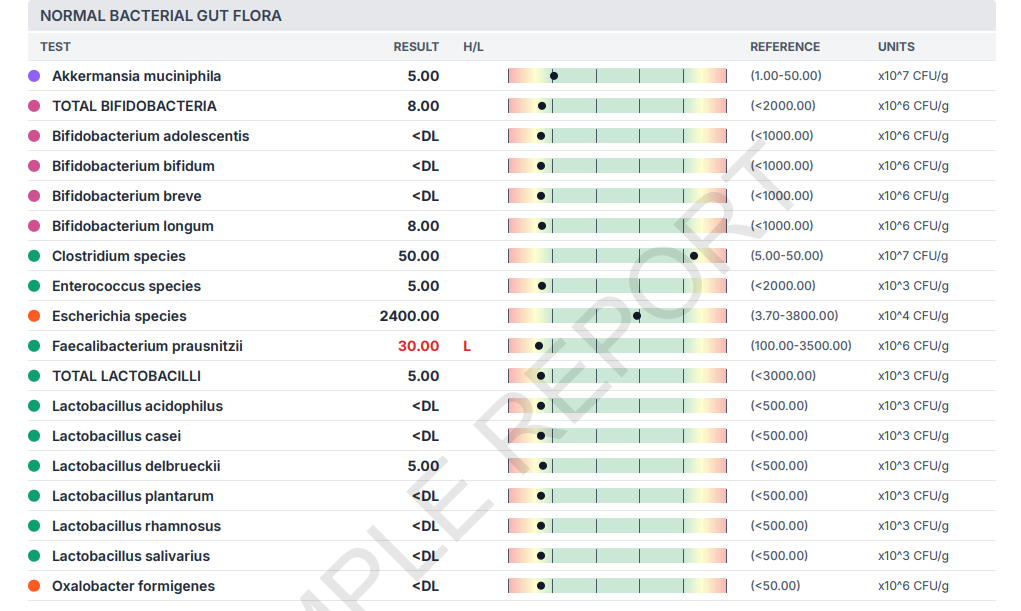
We've been seeing low levels of Akkermansia come up quite regularly in our Complete Microbiome Map (CMM) testing lately, so we wanted to explore what makes this bacterium so important, why levels might be low, and what we can do to support a healthier gut environment.
What is Akkermansia?
Most people know that our gut bacteria feed on dietary fibre. But Akkermansia is a little different.
Rather than relying primarily on fibre, this specialised bacterium feeds on mucin - a substance that forms an important part of the protective mucus lining inside our intestines.
Think of this mucus layer as a protective coating between the contents of our gut and the cells lining our intestinal wall. It helps protect the gut lining while allowing nutrients to be absorbed.
This layer is constantly being renewed by our body, and Akkermansia plays a role in this natural process by breaking down mucin. As Akkermansia breaks down this mucus, it produces substances that can be used by other beneficial gut bacteria. Essentially, it helps provide food for other microbes, allowing them to work together and contribute to a balanced gut environment.
It's a little like a food chain within our gut, where the activity of one bacterium can help support the wider microbial community.
Akkermansia has also been studied extensively for its relationship with the intestinal barrier and metabolic health, with research finding associations between lower levels and conditions such as obesity and insulin resistance.
What can contribute to low Akkermansia levels?
1. A long-term restricted diet
We often see people with ongoing digestive symptoms who have gradually removed more and more foods from their diet to manage bloating, abdominal pain or changes in bowel movements.
Gluten-free, dairy-free, low-FODMAP and grain-free diets can all have a place when needed. However, when our diet becomes increasingly restricted over a long period, we can inadvertently reduce the variety of nutrients reaching our gut bacteria.
Our gut microbes need food too! Different plant foods provide different types of fibre and other compounds that help support the microbial community. When we're eating a very limited range of foods, we're also limiting the variety of fuel available to our gut bacteria.
This doesn't mean you should force yourself to eat foods that trigger symptoms. Instead, we want to understand why certain foods aren't being tolerated and, where appropriate, gradually broaden the range of foods you can comfortably eat.
2. Not eating a wide variety of plant foods
Different plant foods provide different types of fibre, and our gut bacteria don't all use the same fuel.
Eating a variety of vegetables, fruit, legumes, nuts, seeds and wholegrains helps provide a broader range of nutrients for our gut microbes.
Some fibres and prebiotic foods may help support Akkermansia, either directly or by feeding other bacteria that influence its environment.
The key is variety rather than relying on one particular food or fibre supplement.
A note if you struggle with bloating: More fibre isn't always better straight away. If you have significant digestive symptoms or suspected SIBO, suddenly increasing fermentable fibres can make symptoms worse. We work on identifying what's contributing to your symptoms and improving tolerance gradually.
3. Not eating enough polyphenol-rich foods
Have you ever wondered why we're encouraged to eat a variety of colourful plant foods?
It's not just about vitamins and minerals.
Plants contain natural compounds called polyphenols. These are found in foods such as berries, grapes, olive oil, green tea and cacao, and they interact with our gut bacteria in interesting ways. Some polyphenols reach the large intestine, where gut bacteria break them down into smaller compounds. In turn, these compounds can influence the gut environment and the activity of different microbes.
Some easy ways to include more polyphenols are:
Berries, grapes and other colourful fruit
Extra virgin olive oil
Green tea
Unsweetened cacao
Colourful vegetables, such as red cabbage and beetroot
A variety of herbs and spices
Rather than focusing on eating one particular colour, aim for a variety of plant foods throughout the week. Different plants contain different compounds, so diversity is key.
4. The wider gut environment
Our gut bacteria don't live in isolation. They interact with one another and are influenced by the environment they're living in.
Changes in diet, bowel habits, gut function and the balance of other microbes can all influence which bacteria thrive. This is why we don't look at Akkermansia in isolation. We consider the wider microbiome results, your digestive symptoms, your diet and your health history to understand what might be happening.
How can we support Akkermansia?
Gradually increase plant diversity
Include a wider variety of plant foods across the week, building up slowly if you have a sensitive digestive system.
Include appropriate sources of fibre
Fibre provides fuel for many beneficial gut bacteria. The type and amount matter, particularly if you're prone to bloating or have difficulty tolerating certain foods.
Eat polyphenol-rich foods regularly
Berries, grapes, extra virgin olive oil, green tea, cacao, colourful vegetables, herbs and spices are all useful additions to a varied wholefood diet.
Support regular bowel movements
Bowel regularity is an important part of digestive health. Fluid intake, appropriate fibre, regular movement and consistent eating habits can all help support normal bowel function.
Move your body regularly
Physical activity supports overall health and metabolic function.
Look after your gut–brain connection
Stress can influence digestion, bowel movements and the way we experience gut symptoms. Supporting sleep, stress regulation and daily routines are vital for healthy gut function.
Want to Know More About Your Gut Health?
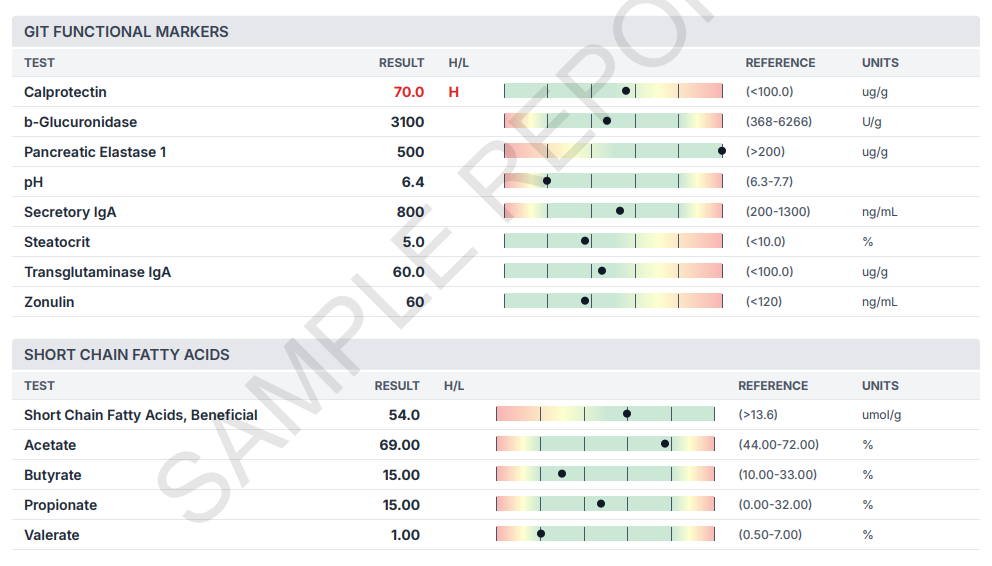
Complete Microbiome Map (CMM) testing gives us a closer look at your gut microbiome, including beneficial bacteria, potentially harmful microbes, parasites and markers of gut health. It can help us identify imbalances and patterns that may be contributing to symptoms such as bloating, abdominal discomfort, altered bowel habits and other ongoing digestive issues, helping us develop a more targeted, personalised approach to treatment.
Ready to get to the bottom of your gut symptoms? Book a consultation to discuss whether CMM testing is right for you. We offer appointments in Hawke's Bay and remotely throughout New Zealand.