Choline: The Key Nutrient Behind the Brain Fog Many Women Experience in Midlife
Written by Gina Hill, Registered Clinical Nutritionist
Many women entering perimenopause describe a distinct shift in cognitive function. This is often attributed broadly to “hormones”.
However when it comes to brain fog in perimenopause, it’s not just about hormones. It’s whether your brain has the nutrients it needs to keep up with the change.

To understand what’s really happening, we need to look at the relationship between oestrogen and a key neurotransmitter: Acetylcholine.
The Oestrogen–Acetylcholine Connection
Oestrogen plays a significant role in supporting the production and activity of acetylcholine, a neurotransmitter essential for:
Memory formation
Learning
Attention and focus
Processing speed
As oestrogen begins to fluctuate and decline in perimenopause, this support weakens, resulting in reduced cholinergic activity - often experienced as brain fog. For many women, this shows up as:
Forgetting words mid-sentence
Losing your train of thought at work
Walking into a room and not remembering why
Feeling mentally slower or less sharp than usual
It’s Not Just Hormones - It’s What Hormones Control
Oestrogen doesn’t just influence your cycle - it also plays an important role in how your brain functions.
One of its key jobs is supporting a brain chemical called Acetylcholine.
Acetylcholine is involved in:
Memory
Focus
Learning
Clear thinking
In simple terms, it helps your brain feel sharp, switched on, and able to keep up. As oestrogen begins to fluctuate in perimenopause, this support becomes less consistent, which is when many women start to notice the shift.
Where Choline Comes In
To make acetylcholine, your body relies on a nutrient called choline. If choline intake is low, your body doesn’t have the raw materials it needs to keep up with acetylcholine production - particularly during a time when hormonal support is already changing.
As a result, cognitive function may feel less efficient, with reduced mental clarity, slower processing, and less reliable recall.
Why This Becomes More Noticeable in Perimenopause
During your reproductive years, oestrogen helps support these brain pathways. In perimenopause:
Oestrogen becomes more unpredictable
Support for acetylcholine drops
Demand on your brain often increases (work, family, mental load)
If choline intake hasn’t been adequate, this combination can make symptoms much more noticeable. What feels like a sudden decline is often a gradual shift that’s finally being felt.
Choline Intake - How Much Choline Do You Actually Need?
For adult women, adequate intake is set at 425 mg per day. Needs are higher in:
Perimenopause and menopause
Pregnancy and breastfeeding
Periods of high cognitive demand or stress
High Choline Foods
If you’re looking to support memory, focus, and overall brain function - especially in perimenopause - choline-rich foods are one of the most effective places to start.
The key is consistency. Choline isn’t stored in large amounts, so regular intake matters.
The Most Concentrated Sources
These foods provide the highest amounts of choline per serve:
Eggs (especially the yolk)
120–150 mg per egg
→ One of the easiest and most efficient ways to increase intakeLiver (beef or chicken)
350–400 mg per 100g
→ The most concentrated dietary sourceBeef and lamb
90–100 mg per 100gFish (especially salmon)
80–100 mg per 100g
Moderate Sources
These can help top up intake, especially when combined with higher sources:
Chicken
Turkey
Dairy products (e.g. milk, cottage cheese)
Eggs still sit here for some people depending on portion size
If you’re experiencing brain fog, poor focus, or feeling mentally “flat,” it’s worth asking:
Am I actually getting enough choline day to day?
Because this is one of those nutrients that’s easy to miss - but makes a noticeable difference when it’s consistently there.
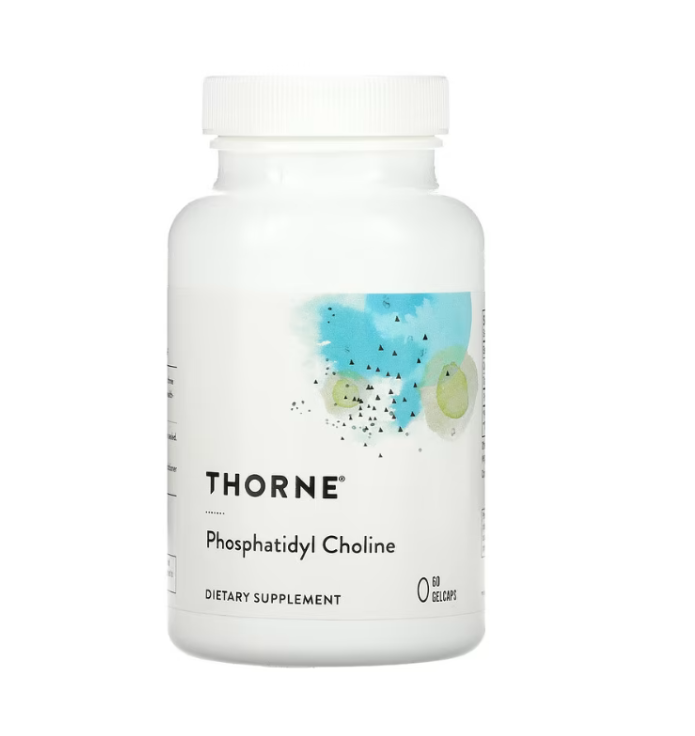
If you suspect your intake is low, choline supplementation can be a useful way to help meet daily requirements - particularly during perimenopause, when demand on cognitive pathways is higher.