
The Hidden Chemical Load in Modern Life
Written By Ashlee Green, Registered Clinical Nutritionist & Qualified Naturopath
In today’s environment, we are exposed to more chemicals than ever before - many of which can interfere with our hormone balance, metabolic health and overall wellbeing.
Endocrine-disrupting Chemicals
Endocrine-disrupting chemicals (EDCs) are synthetic substances that can interfere with the body’s normal hormone function. They may mimic natural hormones, block hormone receptors, or disrupt how hormones are produced and regulated. In some cases, they can bind to hormone receptors and “trick” the body into responding as though hormone levels are higher or lower than they actually are.
Oestrogen is one hormone commonly affected, which may contribute to a state of relative oestrogen dominance. Over time, this can impact detoxification pathways, increase inflammation, influence fertility, raise circulating oestrogen levels in men, and disrupt metabolic function.
Some EDCs are also classified as obesogens, meaning they make the body more prone to weight gain. They can increase the number of fat cells, promote fat storage in existing cells, and even alter the gut microbiome in ways that favour calorie/energy storage. These fat cells can behave differently metabolically, which may make fat loss more challenging. Examples of compounds studied for obesogenic effects include glyphosate, MSG, BPA, and phthalates.
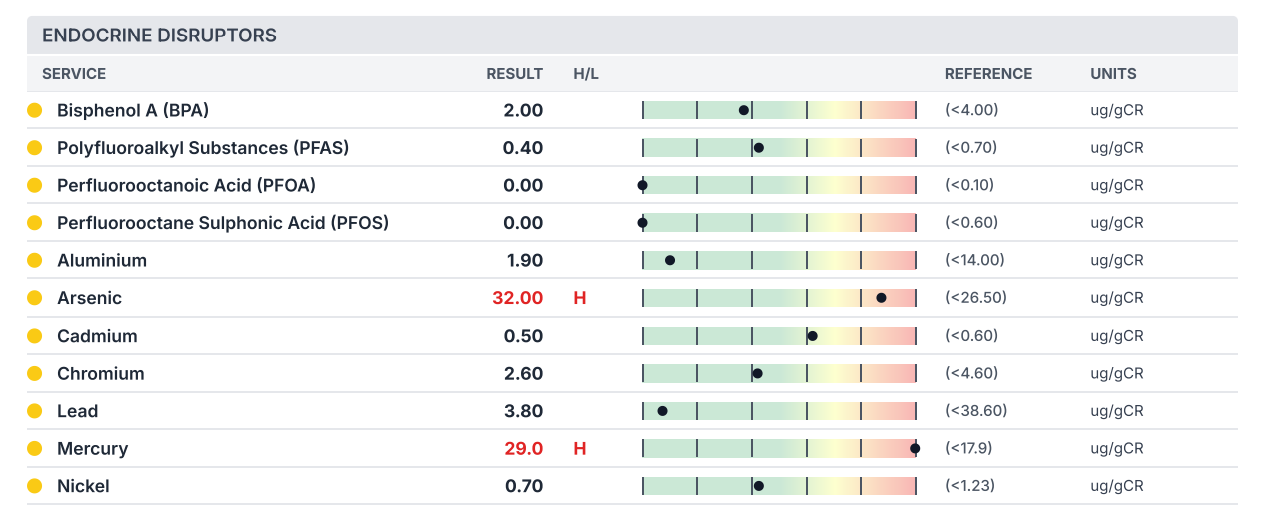
Results from Endomap Testing at The Nurition Clinic
Common examples of endocrine disruptors include phthalates, BPA and other plastics, parabens, preservatives like phenoxyethanol, and pesticides.
A simple way to remember them is the 4 P’s:
Plastics
Parabens
Phthalates
Pesticides
Plastic - Bisphenol A (BPA)
Most of us have heard about BPA and are aware of the reputation it has gained over the years. Bisphenol A (BPA) is an industrial chemical used to make polycarbonate plastic - a hard, durable material commonly used in a variety of consumer products, from food storage containers to baby bottles.
The concern around BPA lies in its ability to leach into food and beverages, particularly when heated. Studies have found measurable amounts of BPA in the urine of small children, and it is known to act as an estrogen-mimicking compound in the body. BPA can also interact with other hormone receptors, such as those involved in thyroid function, potentially disrupting normal hormonal balance.
Exposure is primarily through diet - consuming foods that have been in contact with BPA. Common sources include canned goods (due to BPA-lined tins), plastic dinnerware, food storage containers, water bottles, and baby bottles. The degree of exposure depends on factors such as temperature and storage time. Another often-overlooked source is thermal receipts, which can contain highly concentrated levels of BPA and are absorbed through skin contact.
While BPA-free plastics are now widely available, some alternatives may still exhibit estrogen-mimicking properties. For this reason, reducing overall plastic use where possible is recommended.
Parabens
Parabens are synthetic chemicals commonly used as preservatives in personal care products. Their role is to prevent the growth of harmful bacteria and mould, extending the product’s shelf life.
Parabens have been detected in human tissue and are known to have estrogen-mimicking effects, which may contribute to hormonal imbalances in both females and males.
Some countries have implemented restrictions on parabens. For example, Denmark has banned their use in children’s products. As a result, major brands such as Johnson & Johnson offer paraben-free formulations in these markets, while continuing to use parabens in countries where they remain permitted - largely due to their effectiveness and low cost.
Phthalates
Phthalates are chemical compounds used to make plastics soft and flexible. They are also commonly found in cosmetics and personal care products, where they act as solvents and stabilisers, as well as in building materials and food packaging.
They are what help prevent nail polish from cracking, allow fragrance to last longer, and make products like menstrual pads and tampons more flexible. Phthalates are well-documented endocrine disruptors, and due to their widespread use, daily exposure can be significant.
Pesticides
Pesticides are chemical substances used during the growing, harvesting, and transportation of food to control pests. This group includes insecticides, herbicides, rodenticides, and fungicides - compounds designed to kill or control living organisms such as insects, weeds, and mould.
Exposure occurs not only through consuming conventionally grown produce but also via the air we breathe. While regulations exist around the types and levels permitted in the food system, bioaccumulation can still occur.
A well-known example is DDT, a pesticide widely used in the 1970s. Although banned in the 1980s, it is still detected in many living organisms today - including unborn babies - due to its long half-life and ability to accumulate up the food chain.
Glyphosate (commonly known as Roundup) is another widely used herbicide. It has been linked to an increased risk of non-Hodgkin lymphoma and other cancers, and is banned in more than 20 countries. However, it is still in use in New Zealand.
Prolonged exposure to certain pesticides may contribute to skin irritation, immune dysfunction, hormonal imbalances, as well as behavioural and cognitive issues.
Reducing Exposure to Pesticides
We can reduce our exposure to pesticides by choosing organic produce where possible and thoroughly washing fruit and vegetables before consumption. Using baking soda can help reduce surface pesticide residues, therefore lowering overall intake.
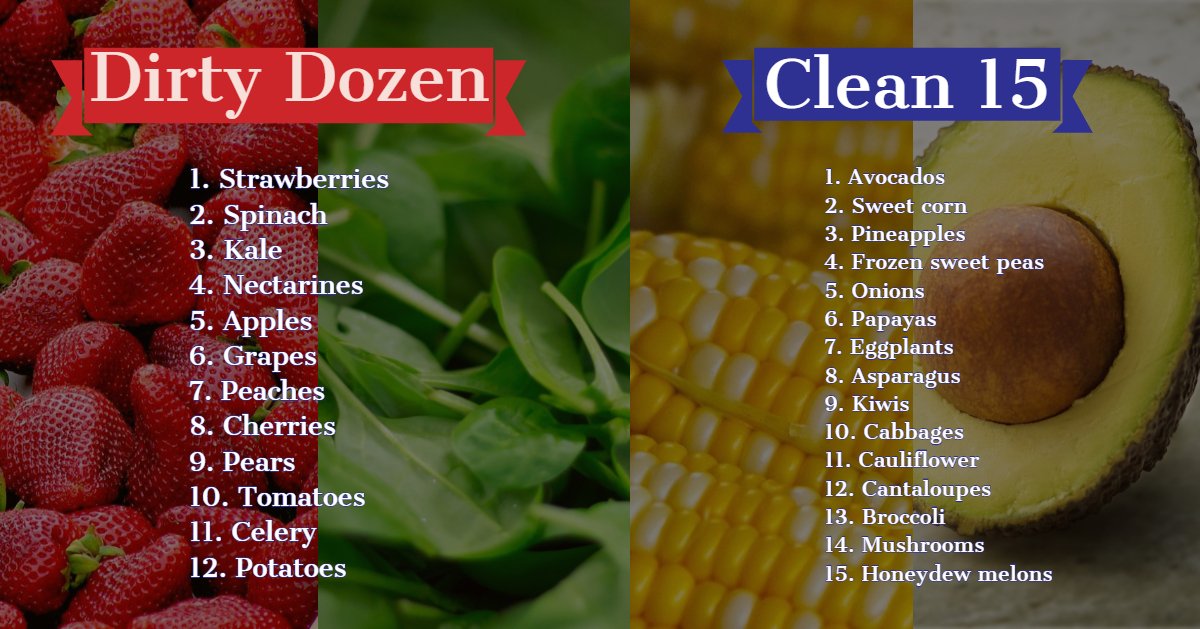
The Clean Fifteen and Dirty Dozen lists can be useful tools when deciding what to prioritise buying organic. These lists highlight produce with the lowest and highest pesticide residues when grown conventionally.
Staple foods such as wheat, corn, soy, rice, and oats are also commonly heavily sprayed, so choosing organic options where possible is recommended.
Choosing organic meat and dairy can help reduce exposure to certain long-lasting pesticides. These chemicals don’t break down easily, so they remain in soil and water and are taken up by plants. Animals then eat these plants, and because these compounds are stored in fat rather than easily excreted, they begin to build up in the animal’s tissues.
As you move up the food chain - from plants, to animals, to humans - the concentration of these pesticides increases. This process is known as biomagnification. So, animal products like meat and dairy can contain higher levels compared to plant foods.
When we regularly consume these foods, small amounts can accumulate in our own bodies over time, contributing to our overall chemical load.
Baking soda vs apple cider vinegar for washing produce
Both are commonly used, but they work a little differently:
Baking soda (sodium bicarbonate)
This has the best evidence behind it for removing pesticide residues. It helps break down certain pesticide compounds on the surface of produce, making them easier to rinse away. A short soak (around 10–15 minutes) in a baking soda solution followed by rinsing is your most effective at-home method.
Apple cider vinegar (ACV)
ACV is more useful for reducing bacteria rather than pesticides. It can help with surface microbes, but it doesn’t appear to break down pesticide residues as effectively as baking soda.
What about pesticides inside the fruit or vegetables?
This is a key limitation of washing.
Some pesticides are systemic, meaning they are absorbed into the plant as it grows and become part of the internal tissues. This is especially relevant for crops like apples, berries, leafy greens, and grains.
So while washing can reduce surface residues, it won’t remove pesticides that are embedded within the produce.
How to Reduce Plastic in Your Home
The three main factors that impact how much plastic is leached are:
Heating
Freezing
Time
Short-term use is ok, but avoid storage or heating in anything plastic.
Avoid purchasing foods packaged in plastic - opt for fill-your own.
Use reusable produce bags
Decline receipts unless really needed (you can opt for digital/no receipts at most places)
Choose glass over plastic where possible (e.g. condiments)
Store foods in glass jars or containers at home
Canned goods - choose BPA-free lined tins
Use beeswax wraps instead of plastic cling wrap
Swap plastic razors to reusable metal - great for the environment too!
Floss - opt for natural as most commercial brands are plastic coated ‘non-stick’ teflon
Reusable drink bottles - avoid plastic, choose stainless steel or glass
If using silicone make sure it is good quality and 100% silicone. If it is cheap then often it is silicones mixed in with plastics
Brands We Love
Cleaning Products
Make your own! Using simple ingredients such as white vinegar, baking soda and castile soap, you can make bench sprays, cleaning pastes and scrubs
Figgy & Co
EcoStore
Good Clean
Personal Care Products
Corbin Road
Juniper (practitioner only)
The Herb Farm
Ethique
Okana
Weleda
Antipodes
Slo Naturals
Knowledge is power - but this isn’t about fear. It’s about awareness, so you can make informed, practical decisions about what comes into your home.
There are many exposures we simply can’t control - like the air we breathe - and there may be products you genuinely enjoy and aren’t ready to give up. That’s completely okay. This space can feel overwhelming at first, but perfection is not the goal.
Instead, start with a simple stocktake of what you already have in your home, and identify what you’d like to change. Focus on one swap at a time. As products run out, replace them with a better alternative, or give a DIY recipe a go!
Work within your budget, and what suits your family best. Small, consistent changes over time can meaningfully reduce your overall exposure - without adding stress.