
Fixing the Root Cause - A Practical Guide to Supporting Your Gut Health
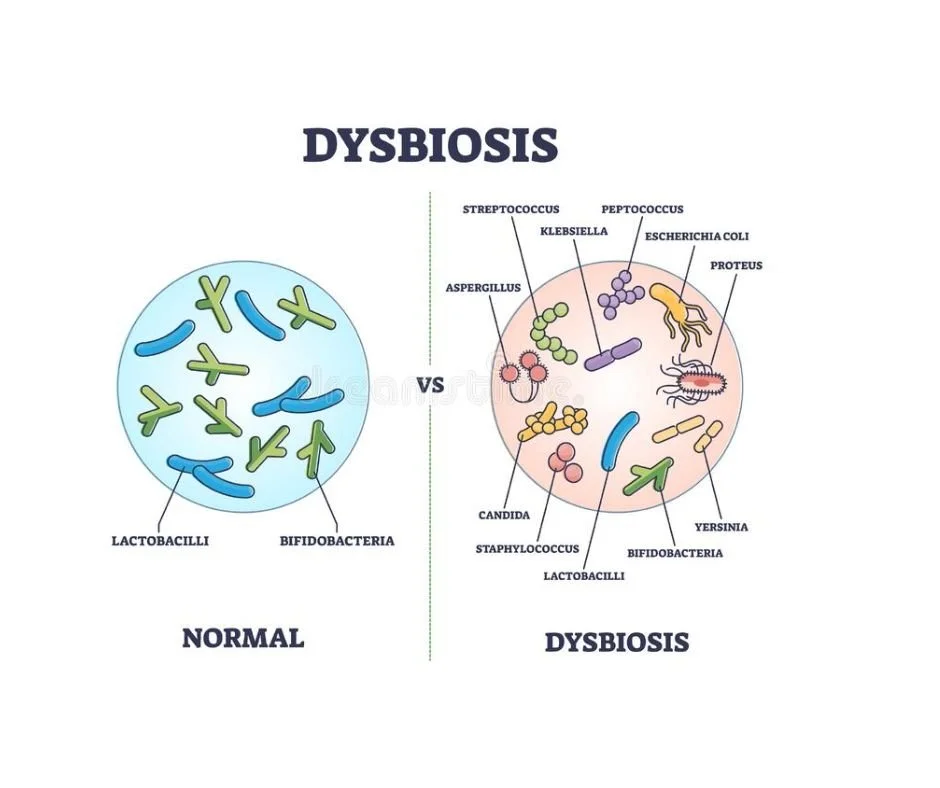
Gut health has become a major focus in the health world, and for good reason. Your gut impacts far more than just digestion. It influences your immune system, hormones, mood, energy levels, skin, metabolism, and even brain health.
The gut is home to trillions of bacteria, fungi, and microbes collectively known as the gut microbiome. When this ecosystem is balanced and diverse, it supports overall health. But when the gut becomes disrupted through stress, processed foods, medications, poor sleep, or infections, symptoms can begin to appear throughout the entire body.
The good news is that supporting gut health does not need to be overly complicated. Often, small consistent changes can make a significant difference.
Here is our practical step-by-step guide to supporting your gut naturally.
Step 1: Minimise Packaged & Processed Foods
One of the biggest contributors to poor gut health is a diet high in ultra-processed foods. These foods are often low in fibre and nutrients, while being high in refined sugars, additives, preservatives, seed oils, and artificial ingredients that can negatively impact the gut microbiome.
Highly processed foods may:
Reduce gut bacteria diversity
Increase inflammation
Feed less beneficial bacteria
Disrupt blood sugar balance
Contribute to bloating and digestive discomfort
Instead, focus on whole foods as much as possible:
Vegetables and fruit
Quality proteins
Healthy fats
Nuts and seeds
Legumes
Whole grains if tolerated
This does not need to be about perfection, simply aiming for more real, minimally processed foods can have a profound impact on gut health over time.
Step 2: Reduce Constant Snacking & Focus on Structured Meals
Many people eat continuously throughout the day without allowing the digestive system adequate rest. Grazing and frequent snacking can keep insulin elevated and may not allow the gut enough time to properly digest and clear food through the digestive tract.
Try aiming for:
Balanced meals containing protein, fibre, and healthy fats
Eating mindfully and slowly
Allowing gaps between meals, ideally 4+ hours
Reducing unnecessary snacking out of habit or boredom
This approach can help regulate appetite hormones and support the body’s natural digestive rhythms.
Step 3: Trial Removing Gluten & Dairy Short-Term
For some people, certain foods may aggravate gut symptoms such as bloating, reflux, constipation, diarrhoea, fatigue, skin issues, or brain fog. Gluten and dairy are two of the most common triggers.
This does not mean everyone needs to avoid them forever, but a short-term trial can sometimes help identify whether they may be contributing to symptoms.
Consider:
Removing gluten and dairy for 2–4 weeks
Monitoring changes in digestion, skin, mood, energy, or bloating
Reintroducing foods one at a time to assess tolerance
Keeping a food and symptom journal can also be extremely helpful in identifying patterns and triggers that may otherwise go unnoticed. The goal is not restriction forever, it is gathering information about what your body responds well to.
Step 4: Include More Gut-Loving Foods
One of the best ways to support the gut microbiome is by feeding beneficial bacteria with the foods they thrive on.
Prioritise Fibre
Fibre acts as fuel for healthy gut bacteria and supports bowel regularity, detoxification, and inflammation control.
Good sources include:
Vegetables
Fruit
Oats
Legumes
Nuts and seeds
Ground flaxseed
Chia seeds
Include Fermented Foods
Fermented foods naturally contain beneficial bacteria that may help support microbial diversity.
Examples include:
Sauerkraut
Kimchi
Kefir
Unsweetened yoghurt
Miso
Kombucha
Even small amounts regularly can be beneficial.
Focus on Diversity
Research suggests that eating a wide variety of plant foods supports a more diverse and resilient microbiome. Aim to “eat the rainbow” and include a variety of colours and plant types throughout the week.
Step 5: Consider In-Depth Testing & Targeted Supplementation
Sometimes gut symptoms persist despite dietary and lifestyle changes. This may indicate deeper imbalances that require more personalised support. In clinic, we use Complete Microbiome Mapping, which helps us to identify:
Bacterial imbalances
Parasites or infections
Inflammation
Digestive insufficiencies
Gut permeability
Food sensitivities
Targeted supplementation may also be useful depending on individual needs. This could include:
Probiotics
Digestive enzymes
Gut repair nutrients
Fibre supplements
Herbal antimicrobials
The key is that supplementation should be targeted and individualised rather than simply guessing.
Gut health is foundational to overall wellbeing. Because the gut influences so many systems in the body including hormones, mood, immunity, skin, and energy, so supporting it can have wide-reaching effects on health.
Start simple. Focus on consistency rather than perfection:
Eat more whole foods
Prioritise fibre
Reduce processed foods
Support digestion with structured meals
Identify potential triggers
Seek personalised support when needed