
Our Digestive System
How Gut Health Impacts Weight, Mood, Inflammation, Hormones and More
The health of your gut plays a crucial role in your overall well-being, influencing everything from glowing skin and healthy hormone balance to mood, energy, metabolism, and weight control. As Hippocrates once said, "All health begins in the gut." This ancient wisdom holds true today, with modern science increasingly showing how vital gut health is for every aspect of your body.
Gut Bacteria and Your Health
Your gut is home to around 37 trillion organisms, mostly bacteria, which make up what we call the gut microbiome. These bacteria aren't just sitting there passively - they have a profound impact on your health. From regulating inflammation and supporting your immune system to influencing your mood and energy levels, the balance of bacteria in your gut touches almost every system in your body.
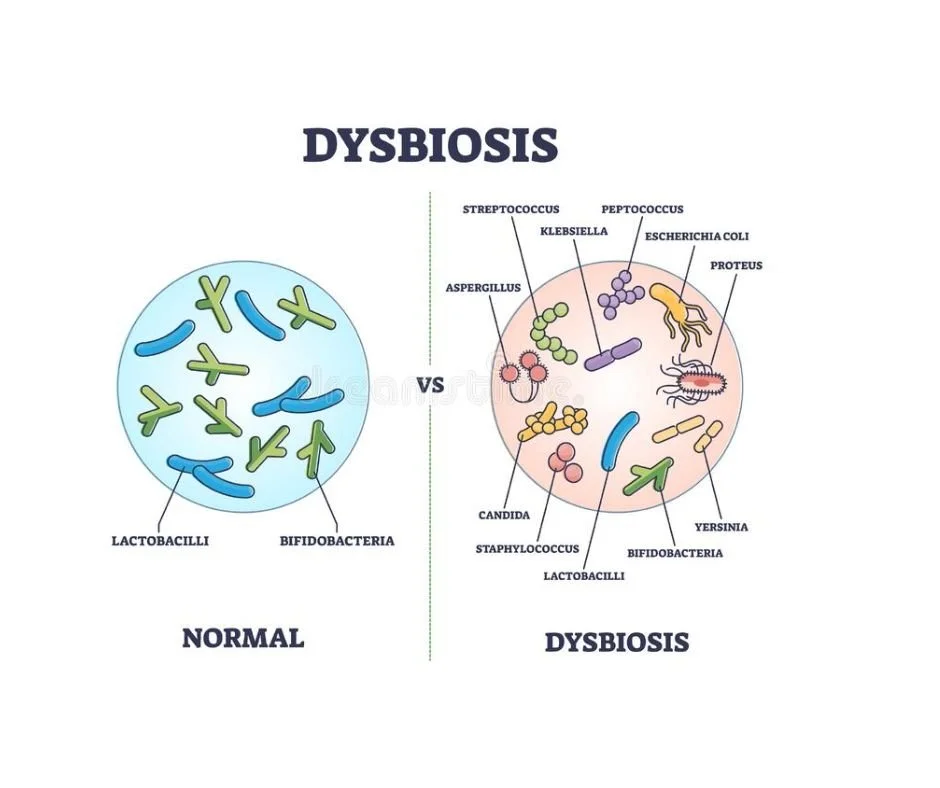
However, when this balance gets disrupted - known as dysbiosis - your health can suffer. Dysbiosis is when harmful bacteria start to outnumber beneficial bacteria, leading to not just digestive symptoms like bloating, diarrhea, constipation, and gut pain, but also contributing to serious conditions. Dysbiosis has been linked to diseases such as:
Type 2 diabetes
Inflammatory bowel disease (IBD)
Colorectal cancer
Atherosclerosis
Obesity
Allergies
Mood disorders
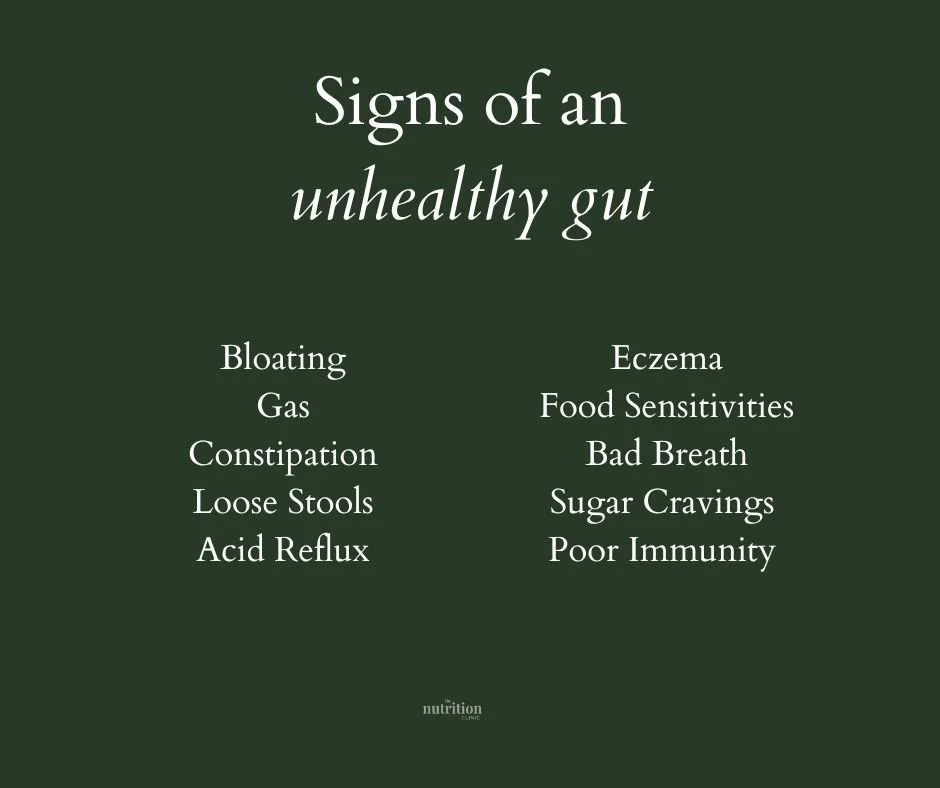
Your body will communicate with you when your gut is unhappy, presenting in the above symptoms
What Causes an Unhealthy Gut?
The Modern Diet and Dysbiosis
Unfortunately, our modern lifestyle tends to wreak havoc on gut health. Common habits that can disrupt the delicate balance of bacteria include:
High sugar and processed foods: These feed harmful bacteria and reduce the growth of beneficial bacteria.
Lack of fibre: Beneficial gut bacteria thrive on fiber, so a diet low in whole plant foods can starve them out.
Excess alcohol: Alcohol disrupts the gut lining and promotes the growth of harmful bacteria.
Lack of sleep and stress: Poor sleep and chronic stress weaken the immune system and throw gut bacteria out of balance.
Antibiotic overuse: While antibiotics kill harmful bacteria, they can also wipe out good bacteria, leading to long-term dysbiosis.
How the Gut Affects Weight
What many people don’t realise is that body weight is largely controlled by unconscious biological mechanisms. Just like your body regulates blood pressure, blood sugar levels, and temperature, it also works to maintain a body weight set point. This is a weight range that your body will naturally strive to keep stable, adjusting factors like hunger, hormones, and metabolism to keep you within this range.
The gut microbiome plays a significant role in regulating your body’s weight set point. Research shows that the health and diversity of gut bacteria can influence:
Energy extraction from food: Your gut bacteria help break down food, and some strains can actually increase the number of calories your body absorbs, leading to weight gain.
Hormones like insulin and ghrelin: Gut bacteria can influence the hormones that control appetite and hunger.
Inflammation levels: Chronic inflammation in the body, often driven by an imbalanced gut, can lead to metabolic dysfunction and weight gain.
How the Gut Affects Mood
Your gut and brain are in constant communication through what is known as the gut-brain axis. In fact, the gut is often referred to as the “second brain” because of how closely it influences mood, emotions, and mental wellbeing.
The gut microbiome plays a major role in producing and regulating neurotransmitters - the chemical messengers that affect how we feel. Around 90% of serotonin, often called the “feel good” neurotransmitter, is actually produced in the gut. Research shows that the health and diversity of gut bacteria can influence:
Neurotransmitter production: Healthy gut bacteria help produce serotonin, dopamine, and GABA, which are involved in mood, motivation, calmness, and sleep.
Inflammation and stress responses: An imbalanced gut can increase inflammation, which has been linked to anxiety, low mood, and brain fog.
The nervous system: The gut communicates directly with the brain through the vagus nerve, meaning gut dysfunction can influence stress resilience and emotional regulation.
An unhealthy gut may contribute to low mood, anxiety, irritability, poor stress tolerance, and brain fog, while a healthy gut can help support emotional wellbeing and mental clarity.
How the Gut Affects Energy & Nutrient Absorption
Even with a healthy diet, if the gut is not functioning properly, the body may struggle to break down, absorb, and utilise nutrients effectively. This can have a major impact on energy production, recovery, and overall health.
Your digestive system is responsible for extracting nutrients from food and delivering them to the cells where they are needed. The gut microbiome also assists in producing certain vitamins and supporting metabolism.
Nutrient absorption: Poor gut health can impair absorption of key nutrients like iron, B12, magnesium, zinc, and protein - all essential for energy production.
Energy production: Gut bacteria help produce compounds that support mitochondrial function and metabolism, influencing how efficiently the body creates energy.
How the Gut Affects the Immune System
The gut is one of the most important parts of the immune system. In fact, around 70% of the immune system resides within the gut, where it works closely with the gut microbiome to protect the body from harmful bacteria, viruses, and toxins.
A healthy and diverse gut microbiome helps train and regulate the immune system, teaching it how to respond appropriately to threats while also preventing excessive inflammation.
Immune regulation: Beneficial gut bacteria help support balanced immune responses and reduce the risk of overactive inflammation.
Protection against pathogens: A healthy gut lining and microbiome act as a protective barrier, helping prevent harmful microbes from entering the bloodstream.
Inflammation levels: An imbalanced gut can contribute to chronic low-grade inflammation, which may weaken immune resilience over time.
Poor gut health can make the body more vulnerable to infections, inflammation, allergies, and immune dysfunction — while a healthy gut helps build a stronger, more resilient immune system.
How the Gut Affects Hormones
The gut plays a major role in hormone balance, particularly when it comes to estrogen regulation. This connection is so important that researchers even refer to a collection of gut bacteria involved in estrogen metabolism as the “estrobolome.”
Hormones are not just produced and used by the body, they also need to be properly broken down, detoxified, and removed. A large part of this process happens through the gut and digestive system.
Estrogen metabolism: Certain gut bacteria help process and eliminate excess estrogen through the bowels. If gut health is compromised or bowel motions are sluggish, estrogen can be reabsorbed back into circulation rather than removed.
Inflammation and hormone signalling: Chronic gut inflammation can disrupt communication between hormones and cells, contributing to symptoms such as fatigue, mood changes, weight gain, and irregular cycles.
An unhealthy gut can contribute to hormonal imbalances, PMS, heavy or painful periods, skin issues, mood fluctuations, perimenopausal symptoms, and difficulties with energy or weight regulation - while a healthy gut helps support smoother hormone balance and detoxification.