
Stress & Cortisol: Understanding the Impact of Chronic Stress on the Body
Stress has become one of the most common health concerns in modern life, particularly in the workplace. Tight deadlines, long hours, constant notifications, financial pressures, family responsibilities, and the expectation to always be “on” can leave many people running on empty.
While some stress is normal and even helpful in short bursts, ongoing stress can have a significant impact on our hormones, nervous system, energy, sleep, digestion, and overall wellbeing. One of the key hormones involved in this process is cortisol.
What is Cortisol?
Cortisol is often referred to as the body’s “stress hormone,” but it actually plays many important roles in the body. Produced by the adrenal glands, cortisol helps regulate:
Energy production
Blood sugar balance
Inflammation
Immune function
Blood pressure
Sleep-wake cycles
Stress response
Cortisol is not inherently bad, we need it to function well. The issue arises when stress becomes chronic and cortisol patterns become dysregulated.
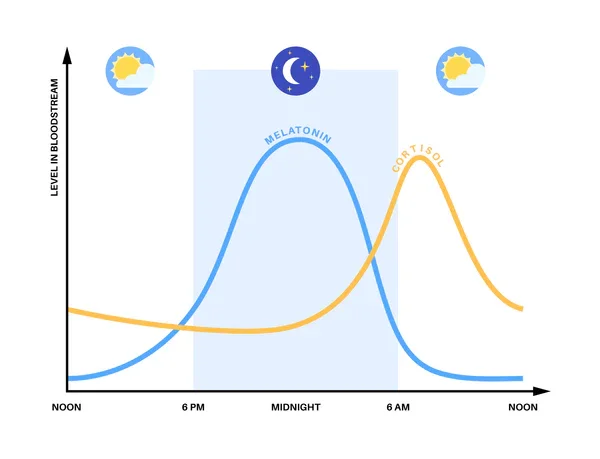
The Normal Cortisol Pattern
Under healthy conditions, cortisol follows a natural circadian rhythm. This rhythm is closely tied to our internal body clock and exposure to natural light.
What Happens When Cortisol Becomes Unbalanced?
In today’s high-pressure environment, many people experience chronic activation of the stress response. The body struggles to distinguish between physical danger and modern-day stressors such as work emails, poor sleep, overtraining, financial pressure, emotional stress, or constant stimulation.
Over time, this can disrupt cortisol rhythms.
Some people may experience elevated cortisol, while others may eventually develop a “flattened” cortisol pattern where the body struggles to produce cortisol appropriately throughout the day.
Symptoms of High or Dysregulated Cortisol May Include:
Feeling “tired but wired”
Energy crashes
Difficulty getting out of bed
Anxiety or feeling constantly on edge
Poor stress tolerance
Sleep issues or waking during the night
Afternoon cravings for sugar or caffeine
Brain fog and poor concentration
Irritability or mood swings
Increased belly fat or difficulty losing weight
Frequent illness
Digestive issues
Hormonal imbalances
Muscle tension and headaches
Feeling overwhelmed even by small tasks
For many people, these symptoms become so normalised that they do not realise their nervous system is constantly operating in a stressed state.
The reality is that stress is often unavoidable - especially in workplace environments - but supporting the body’s resilience and recovery is essential.
How to Support Cortisol?
A guide of diet and lifestyle changes to support cortisol balance, particularly for those experiencing high levels of stress.
Prioritise Natural Light Exposure
Get as much natural light exposure as possible upon waking and throughout the day. Around 20 minutes of direct morning sunlight is ideal to support circadian rhythm and healthy cortisol signalling.
Morning light exposure helps tell the brain it is time to wake up, so cortisol should rise appropriately.
Hydration & Minerals
Aim for approximately 3L of water daily.
Adding a pinch of Celtic salt to the first litre of water consumed can help provide trace minerals and support hydration, particularly during periods of stress.
Eat a Protein-Rich Breakfast
Consume a protein-rich breakfast within 1 hour of waking.
A balanced breakfast containing protein helps stabilise blood sugar levels, support neurotransmitter production, and reduce excessive cortisol spikes later in the day.
Support Circadian Rhythm with Meal Timing
Try to finish eating by around 7:30pm where possible.
Allowing for a minimum 12-hour overnight fast supports circadian rhythm, digestion, metabolic health, and overnight repair processes.
Delay Caffeine Intake
Consume caffeine at least 90 minutes after waking rather than immediately upon getting out of bed.
This allows the body’s natural cortisol awakening response to occur without overstimulation.
Rethink Exercise During High Stress
When cortisol is already elevated, excessive high-intensity exercise can sometimes place additional strain on the nervous system.
Instead, prioritise:
Walking
Yoga
Pilates
Gentle strength training
Stretching
Low-intensity movement
Movement should support the nervous system rather than further exhaust it.