Our Hormones are Not Static
Our hormones are not static; they rise and fall in rhythm throughout the month, driven by the body’s continuous cycle of preparing for potential pregnancy.
This rhythmic rise and fall creates four distinct phases in a woman’s cycle: the menstrual, follicular, ovulatory, and luteal phases.
Each of these brings a different dominant hormone - estrogen, progesterone, or luteinizing hormone - affecting everything from energy levels to mood, skin, and digestion.
Why Knowing Your Cycle Matters
Understanding the phases of your cycle and how they affect your body can be a powerful tool for optimizing your self-care. Hormones impact nearly every system in the body, so recognising these natural fluctuations is essential to knowing what your body needs at different times. It’s why you may notice your hair and skin changing, shifts in exercise performance, variations in digestion, and changes in energy and mood one week to the next.
While on a weight loss journey, understanding your cycle can be a game-changer - as the fluctuations in estrogen and progesterone throughout the month also influence metabolism, appetite, and exercise performance, making it valuable to tweak your diet to suit each phase.
Cycle Phases and Weight Loss Optimisation
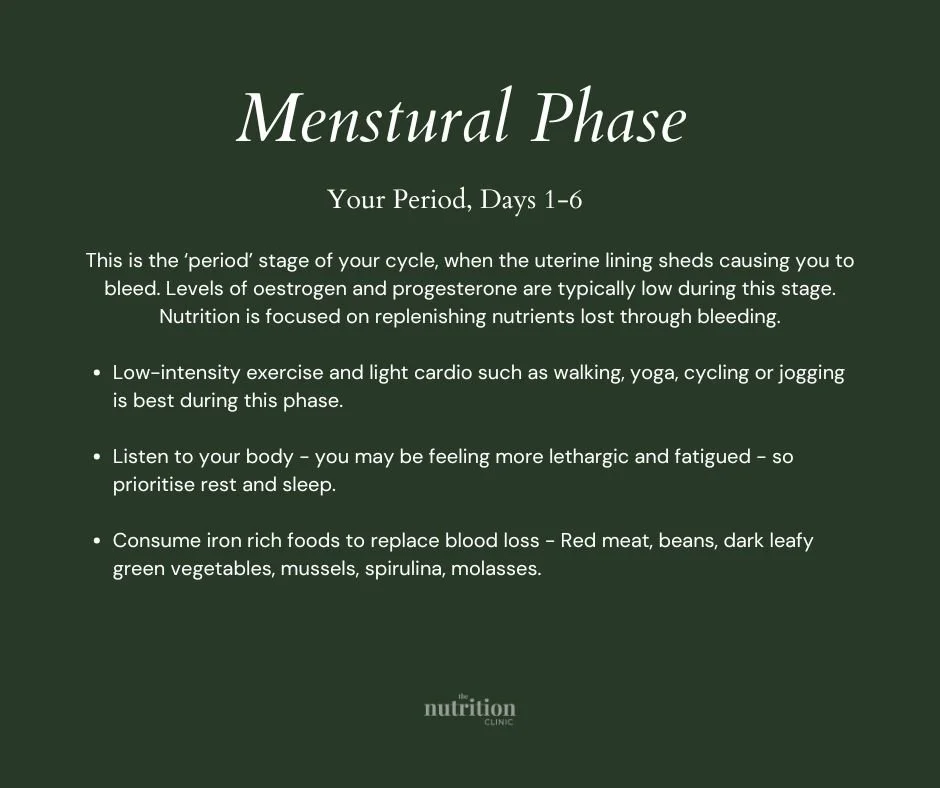
Menstrual Phase (Days 1-5): Metabolism can slow slightly, and cravings may be higher. Aim for protein-rich, high-fiber meals to support satiety without overconsuming calories. This phase is also ideal for gentler forms of exercise to accommodate low energy while maintaining consistency.
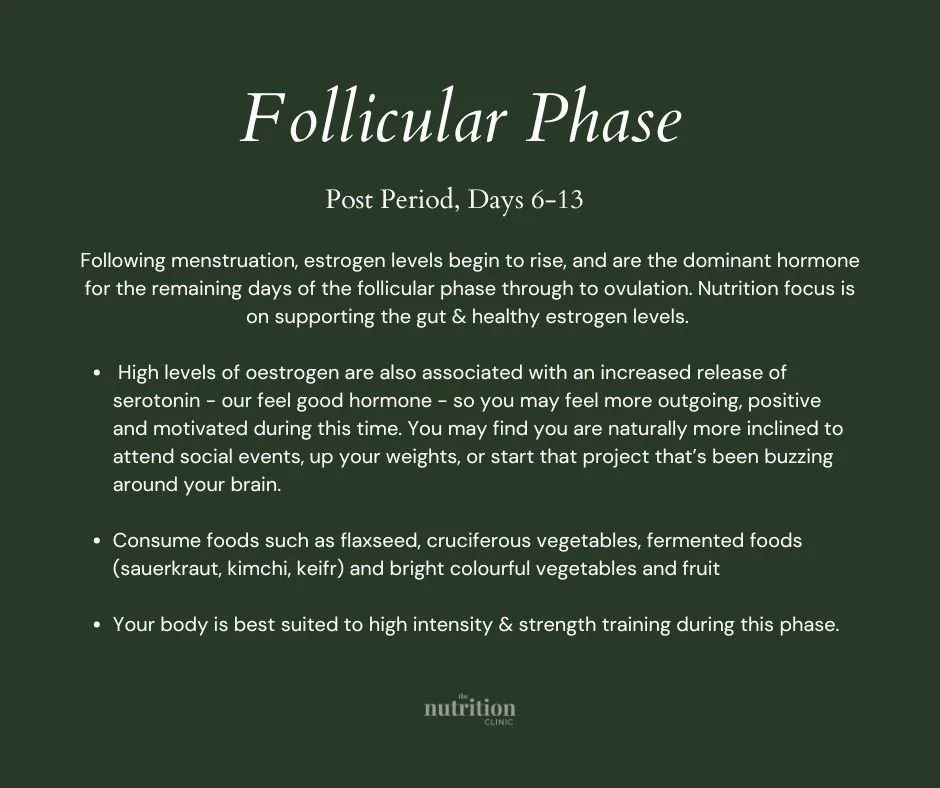
Follicular Phase (Days 6-14): Rising estrogen can increase insulin sensitivity, making it easier to metabolise carbs and potentially reduce fat storage. This phase is perfect for more intense workouts and trying new recipes with whole grains, lean proteins, and fresh vegetables.
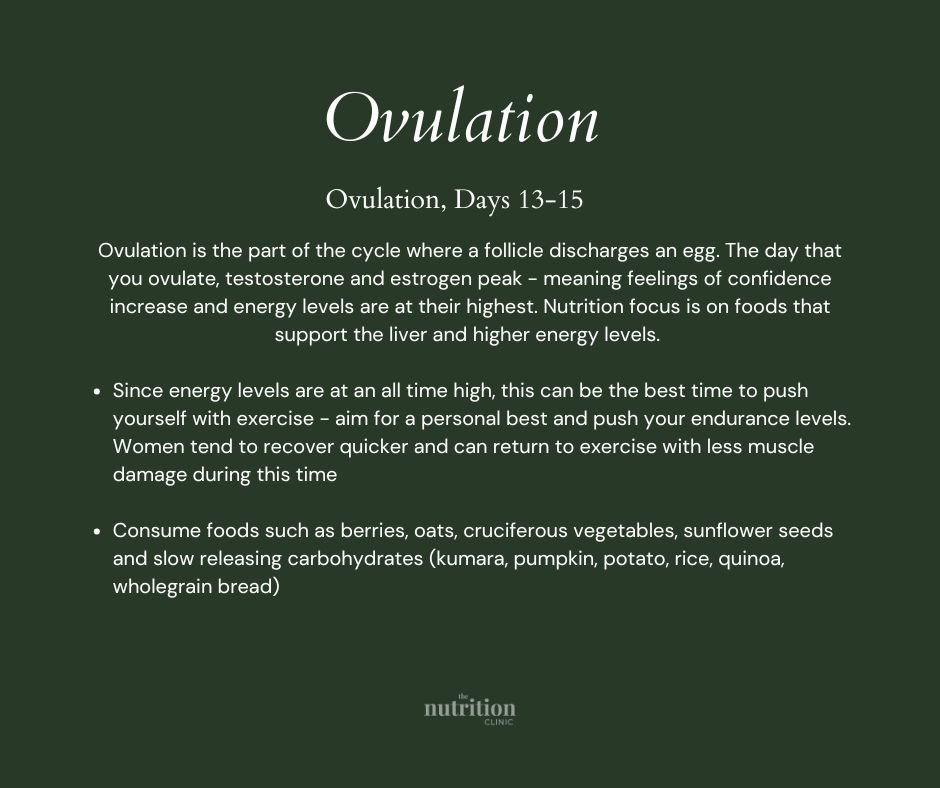
Ovulatory Phase (Days 14-16): At peak estrogen, metabolism is still optimal, and energy levels are high, so focus on maximizing high-intensity workouts and social, active gatherings. Nutrient-dense, lower-calorie meals are easier to stick with during this phase.
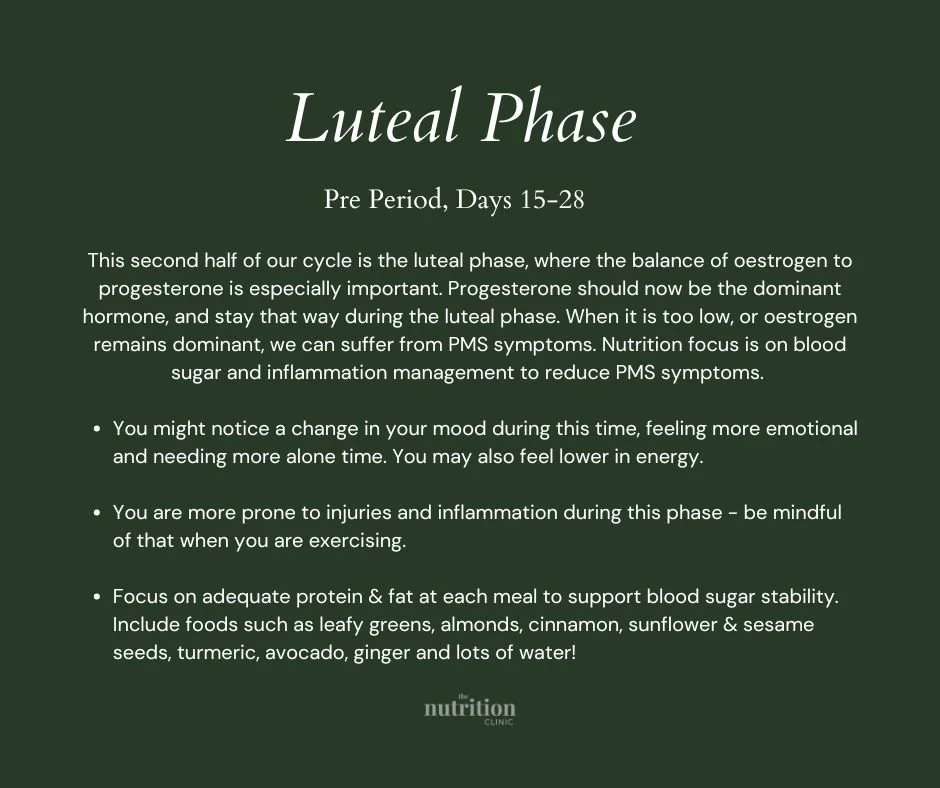
Luteal Phase (Days 16-28): Progesterone increases, which can lead to water retention and appetite increases, especially for carbohydrates and possibly sugar cravings. Boost protein and healthy fats to stay full longer, and if cravings arise, choose complex carbs like fruit, kumara or oats. Focus on maintaining consistent exercise but consider lowering intensity if energy dips.
Cycle Tracking for Sustainable Weight Loss - Satisfying Cravings or Increases in Appetite
Tracking your cycle is a fantastic way to highlight any patterns in appetite and cravings, making it easier to plan around these phases and avoid setbacks. Many women find it helpful to plan satisfying, wholefood versions of their favourite meals or snacks, or add extra low-intensity movement - such as a walk after meals - during the luteal phase to manage potential fluctuations in hunger and energy.
By aligning with your cycle, you can make sustainable weight loss more achievable, taking advantage of your body’s natural rhythms to stay motivated, active, and in tune with what your body needs each week.
Cycle-specific tips that can help to support weight loss by working with your hormonal fluctuations
1. Plan Satisfying, Wholefood Swaps During High-Craving Phases
During the luteal phase, cravings for sweets and carbs often peak. Try incorporating nutrient-dense, wholefood alternatives that satisfy those cravings without overindulging. Some ideas:
Chocolate Cravings: Try dark chocolate with at least 85% cocoa or mix cacao powder with Greek yogurt and a touch of honey for a creamy, protein-rich dessert.
Salty Cravings: Opt for roasted chickpeas, miso, air-popped popcorn, or kale chips seasoned with herbs rather than fried snacks.
Sweet Cravings: Sliced apples with cinnamon, banana and peanut butter, berries with granola can satisfy a sweet tooth with minimal calories. We highly recommend prepping some healthy backing to have on hand in this phase of your cycle.
2. Adjust Calorie and Protein Intake Based on Metabolic Shifts
Follicular Phase (Days 6-14): With improved insulin sensitivity, you can incorporate more complex carbs like kumara, quinoa, and whole grains, which may be more easily metabolized for energy. Focus on strength training or higher-intensity workouts to make the most of this energy surge.
Luteal Phase (Days 16-28): With a higher likelihood of craving comfort foods, prioritise lean proteins and fiber-rich foods that keep you fuller for longer. This can help prevent overeating and keep your metabolism steady.
3. Plan Meal Prep Around Energy Levels
High-Energy Phases (Follicular and Ovulatory): Use this time for meal prep. Batch-cook proteins like chicken or tofu, prepare grain bowls, or chop veggies for easy access later in the month. Having pre-prepared meals makes it easier to stick to healthy choices when cravings hit or energy is low.
Lower-Energy Phases (Menstrual and Luteal): Simplify meals by choosing recipes that are quick to prepare. Soups, salads with protein, or stir-fries made with pre-cut vegetables keep it easy without compromising nutrition.
4. Adjust Workout Intensity to Your Cycle
Your body’s response to exercise varies with each phase, so tailoring your workouts can help prevent burnout and boost motivation.
Follicular and Ovulatory Phases: These are optimal times for higher-intensity workouts such as HIIT, resistance training, or running. This increased exercise intensity can help maximise calorie burn while energy and endurance are naturally higher.
Luteal and Menstrual Phases: During these phases, low-to-moderate intensity exercises like yoga, pilates, walking, and swimming can be easier to sustain and still support fat loss. They also help reduce cortisol, which is beneficial for hormone balance and weight management.
5. Focus on Hydration and Anti-Inflammatory Foods in the Luteal Phase
During the luteal phase, higher progesterone levels can lead to fluid retention, making you feel bloated or sluggish. Prioritise hydrating and anti-inflammatory foods:
Hydration: Drink water with added electrolytes, or try herbal teas with natural anti-inflammatory properties, like ginger or peppermint.
Anti-Inflammatory Foods: Add foods like salmon, berries, leafy greens, and turmeric, which can reduce bloating and support hormonal balance.
6. Use Cycle Awareness to Avoid Overeating Triggers
Understanding when you’re more likely to experience hunger or cravings can help you anticipate and manage these moments. For example:
Plan for a nutrient-dense snack before an evening out during the luteal phase, when you're more prone to mindless eating.
If you know you tend to overeat when feeling low energy or emotional (often in the luteal phase), have a pre-planned list of activities - like taking a walk, reading or trying a new hobby—that can help distract you from unnecessary snacking.