
Back To School - Lunchbox Guide
The food we give our kids shapes their growth, learning, and well-being.
A well-balanced diet rich in protein, healthy fats, vitamins, and minerals fuels their ability to learn, play, and grow - while strengthening their immune system and supporting emotional stability. When children eat nutrient-dense meals, they feel more focused, engaged, and resilient in their daily lives.
Yet, open a typical lunchbox, and you’ll often find an assortment of packaged snacks - muesli bars, flavoured yoghurts, crackers, fruit straps, and chips. While convenient, these foods are packed with refined sugars, vegetable oils, preservatives, and artificial additives that disrupt blood sugar balance, harm gut health, and contribute to inflammation. Without enough protein or fibre, these snacks leave kids feeling hungry and irritable soon after eating - fueling a cycle of cravings, energy crashes, poor focus, and mood swings.
We understand how busy mornings, packed schedules, and picky eaters make it tempting to rely on quick fixes. But convenience doesn’t have to mean artificial ingredients.
Food Additives and Their Impact on Children's Health
With the rise of ultra-processed foods, we’ve seen an increase in food additives that can negatively affect children’s mood, behaviour, and overall health.
Research has linked common additives like food colourings, emulsifiers, and preservatives to behavioural issues, poor focus, gut dysbiosis, eczema and allergies. These ingredients can overstimulate the nervous system, disrupt neurotransmitter function, and make it harder for kids to regulate their emotions and energy levels - affecting not just their learning but their overall well-being.
Artificial Colors (E102, E110, E129, E133, etc.)
Found in: Lollies, chips, soft drinks, flavoured yoghurts, processed snacks
Linked to: Hyperactivity, irritability, mood swings, poor concentration
Research: Studies have found artificial colours may trigger ADHD-like symptoms and worsen behaviour in sensitive children.
Preservatives (Sodium Benzoate, Sulphites, Nitrates 450, E211, E220-228)
Found in: Processed meats, fruit pouches, dried fruits, soft drinks
Linked to: Asthma, eczema, digestive issues, behavioural problems
Research: Sodium benzoate has been associated with increased hyperactivity and allergic reactions in children.
Artificial Sweeteners (Aspartame, Sucralose, Saccharin, E951, E955)
Found in: Sugar-free drinks, flavored yoghurts, protein bars, chewing gum
Linked to: Headaches, gut issues, increased sugar cravings, mood disturbances
Research: Artificial sweeteners can disrupt gut microbiome balance, impacting digestion and immune function.
Emulsifiers (Polysorbates, Carrageenan, E471, E481-482)
Found in: Ice cream, margarine, sauces, baked goods
Linked to: Gut inflammation, bloating, food sensitivities, immune dysfunction
Research: Studies show emulsifiers can alter gut bacteria, leading to increased inflammation and digestive discomfort.
Flavor Enhancers (MSG, Yeast Extract, Hydrolyzed Vegetable Protein, E621-E635)
Found in: Chips, instant noodles, stock cubes, sauces
Linked to: Headaches, irritability, restlessness, sleep disturbances
Research: Known to overstimulate neurons, potentially leading to excitability and neurological symptoms in sensitive individuals.
Modern Diet Related Health Concerns
Behavioural & Cognitive Symptoms
Increased hyperactivity and restlessness
Poor focus and concentration
Mood swings and irritability
Difficulty sleeping
Digestive Issues
Bloating, constipation, or diarrhea
Increased food sensitivities
Gut inflammation
Immune & Skin Reactions
Frequent colds and infections
Eczema or skin rashes
Allergies and sensitivities
Energy & Metabolic Imbalances
Blood sugar crashes leading to fatigue and mood changes
Increased cravings for sugar and processed foods
Difficulty maintaining stable energy levels
Nutrient Deficiencies in Children
Ultra-processed foods aren’t just packed with harmful additives - they also lack the essential nutrients kids need to grow, learn, and thrive. Many children today are unknowingly deficient in key vitamins and minerals, affecting their energy, concentration, behaviour and immune system.
Iron → Needed for focus, energy & immune function
Deficiency signs: Fatigue, pale skin, difficulty concentrating, frequent colds
Magnesium → Supports sleep, mood & nervous system health
Deficiency signs: Anxiety, irritability, restless legs, trouble sleeping
Zinc → Essential for immune health, digestion & skin repair
Deficiency signs: Slow wound healing, low immunity, picky eating, skin issues
Omega-3 Fatty Acids → Crucial for brain function, focus & mood
Deficiency signs: Hyperactivity, poor concentration, mood swings, skin complaints
B Vitamins (B6, B12, Folate) → Needed for energy, brain development & metabolism
Deficiency signs: Low energy, irritability, poor memory, learning difficulties
Protein & Fiber → Stabilises blood sugar & supports gut health
Deficiency signs: Frequent hunger, sugar cravings, poor muscle development, energy slumps, bloating, constipation, allergies

Building A Balanced Lunchbox
Educating kids on health & food starts at home - kids tend to do what we do, not what we say!
Children need a balance of nutrients each day for growth and development. Just like us, they need meals that are balanced in key macronutrients - protein, fibre, carbohydrate and healthy fat. We know providing the right nutrition for your growing child whilst offering them foods that they will actually eat can be quite the challenge. Coming up with lunchbox ideas is a bit of a balancing act between packing something that’s as equally nutritious as it is interesting – so your kids actually eat it.
We like offering meals up “platter style” - that way kids can choose how much & what they pop on their plate. When it comes to lunchboxes, bento style works well for this reason.
A few tips:
Explain the “why” instead of referring to food as good/bad - instead of “carrots are healthy” try “carrots help you see in the dark.”
Get your child involved in meals/packing lunches - ask them what they like.
Portion sizes - offer a small portion so as to not overwhelm them. For instance, a couple of broccoli florets - not a handful.
Texture/Visual - kids are much more sensitive to the look and feel of foods, ask them how they prefer foods prepared - cooked vs raw, how they would like foods cut, etc.
Zinc - if you find your child is unusually fussy, have your practitioner test their zinc levels. Zinc deficiency affects our taste buds and can make us extra sensitive to flavours and textures.
And remember: Be realistic, these foods should make up the majority of your child's diet. There is of course room for treats as “sometimes” foods. And there will be days when their lunchbox is healthier than others & that’s ok, too.
Resources to Support You
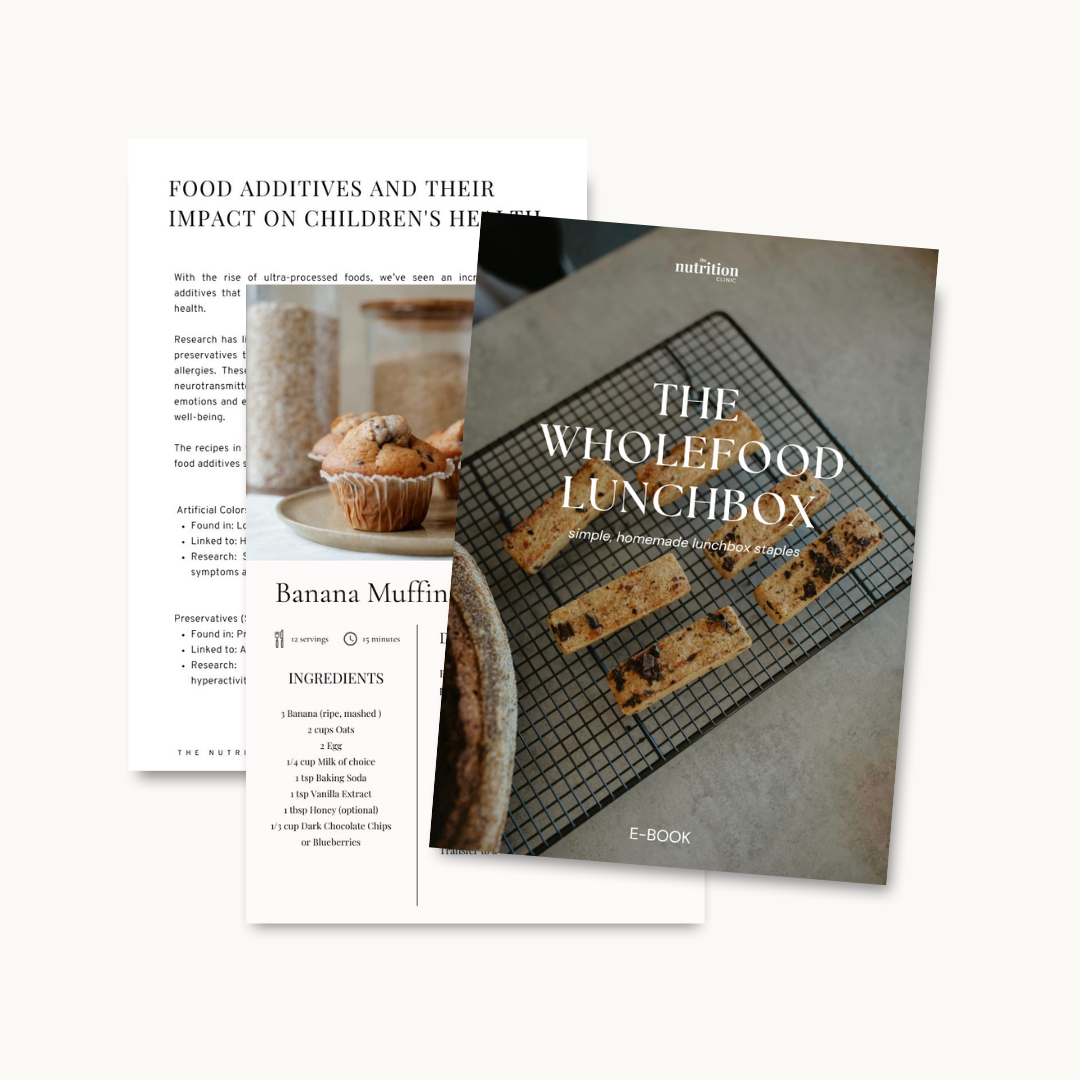
A collection of our favourite simple, high-protein, wholefood recipes designed to keep kids full, focused, and thriving.
We hope this guide makes it easier to swap processed foods for nutrient-dense options your kids will love.
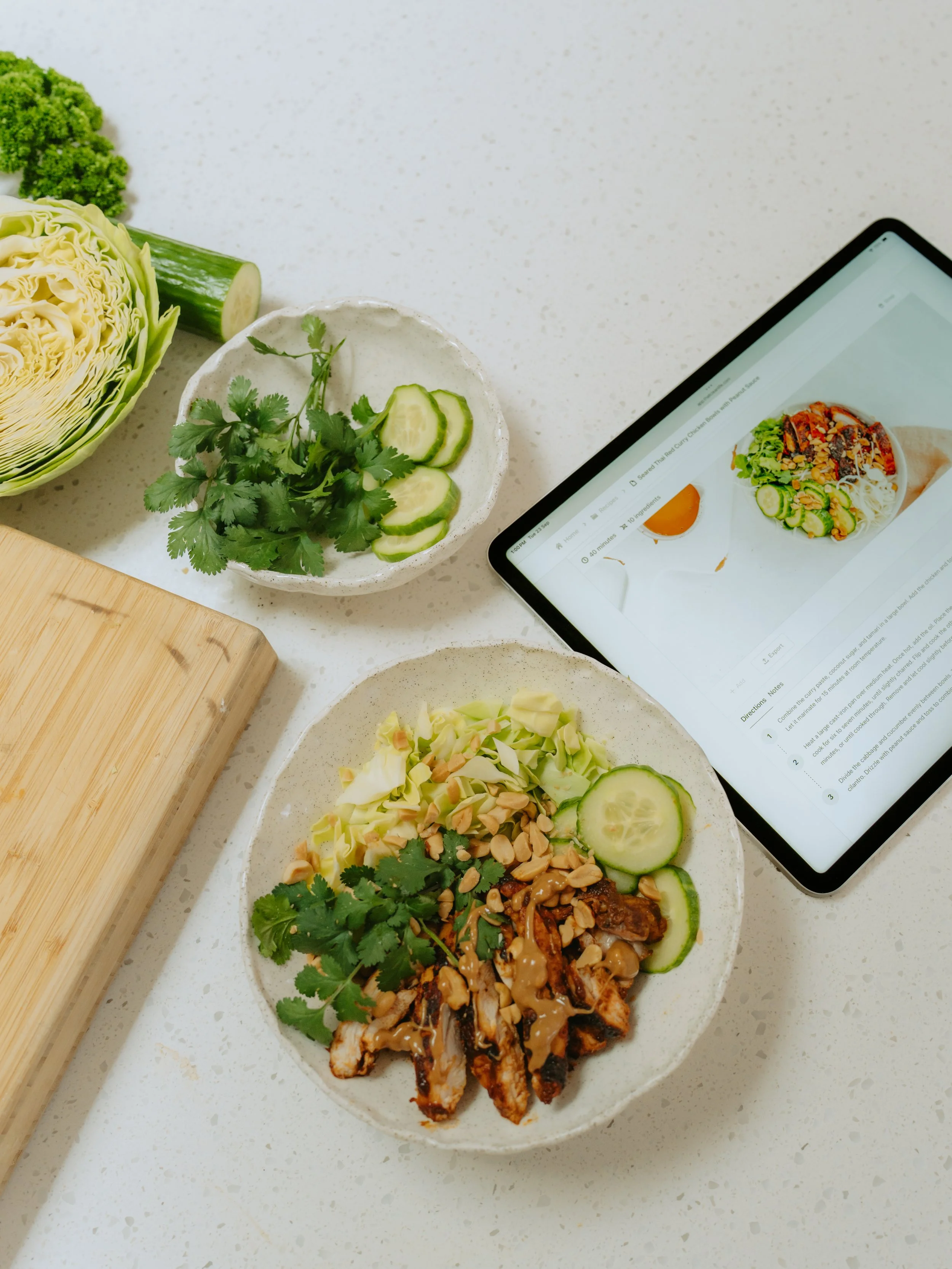
Simple. Meal Plan Subscription
Weekly Meal Plan subscription featuring 15+ family friendly recipes and snacks.
Perfect for stress free dinner times and nourishing lunchbox ideas and snacks.