
Prevent Injuries Before They Happen: Your Winter Sports Nutrition Guide
As the crisp days of winter approach, training for winter sports, upcoming seasons, and events like the Hawke’s Bay Marathon begins to ramp up. At this time of year, one of the most common concerns we see are training-related injuries - many of which are preventable.
Common Injuries
Injuries can range widely, from a mild knee niggle that’s easy to ignore, to a strained neck or back that limits your ability to train properly and build the strength your body relies on.
Often, injuries don’t come from one single moment, but from a build-up of stress over time.
One of the most common causes is training load increasing faster than the body can adapt - often combined with inadequate nutrition. Without enough energy, protein, key nutrients, and fluids, the body struggles to repair the small amounts of damage that naturally occur during training. Over time, those small aches can turn into persistent injuries.
Most injuries are not sudden or random - they’re signals.
The Risk of Ignoring Your Bodies Signals
Don’t let a small niggle continue for so long that it develops into something more serious, such as a stress fracture - which becomes increasingly common as training volume builds and intensifies.
Looking back, it still astounds me how easily I ignored the dull ache in my ribs during intense training blocks leading into one of my rowing seasons. It was simply my body signaling that something wasn’t right - which I completely ignored.
That decision eventually led to a stress fracture in my rib, right before the regatta I had been training for day in and day out. The diagnosis meant being told to pause my training for at least a month - which at the time felt like a huge disappointment and a let-down from my body.
What I didn’t understand then was that it was likely preventable, if only I had paid attention to the warning signs from my body.
A stress fracture is a small crack in a bone that develops over time with repetitive strain. Recovery can take a long time and often requires a significant break from the training you’ve been working so hard towards.
Similar to my rowing training - marathon training or winter sports conditioning can mean volume increases fast. Without adequate recovery, nutrition, and hydration, the risk of these injuries rises significantly.
Fueling Around Training
Let’s talk about adequate nutrition, which directly influences your bone health, muscle recovery, and your body’s ability to adapt to training stress. Let’s look at specific strategies.
Before Training (Pre-Fuel)
You want easy-to-digest carbohydrates plus a bit of healthy fat to sustain you through longer sessions.
Examples:
Frozen banana slices drizzled with nut butter and some melted dark chocolate - quick energy for energy & muscle function.
Sourdough with nut butter and honey - simple, sustained carbs.
Greek yoghurt with berries and some seeds - a blend of energy and gut-loving protein.
These choices help ensure your muscles have glycogen stored and your blood sugar stays stable, reducing early fatigue and lowering injury risk.
After Training (Recovery Fuel)
Post-exercise nutrition is where the real recovery happens. A particular focus on protein to rebuild muscle and carbohydrates to replenish glycogen is essential.
Quick after-training options:
Follow up your training with a full breakfast or dinner. Think scrambled eggs with spinach on sourdough or oats topped with yogurt, berries and seeds.
If you are still out of the house, ensure you have something on hand to replenish. Think three boiled eggs or carry some protein powder with you to mix into some milk or a coffee - an easy go-to if you’re short on time or meeting a friend for a coffee date.
Getting at least 30 grams of protein soon after training helps to stimulate muscle repair, support energy after training, and ensure that your hormones don’t suffer.
Throughout the Day: Beyond Pre & Post-Fuel
Another common issue we see in clinic is people focusing intensely on pre- and post-training fuel, but overlooking the importance of consistent nutrition throughout the rest of the day.
Your body needs steady nourishment all day long, not just around your training.
Balance your meals: Every meal needs a serving of protein, wholefood carbohydrates, vegetables, and healthy fats to nourish all body systems.
Top up your meals with snacks: We then need to focus on 1-2 protein-rich snacks throughout the day to meet your daily nutrient needs.
Hydration: Pay special attention to hydration. Even mild dehydration impairs muscle function and increases injury susceptibility.

Hydration’s Role in Injury Prevention
Water is essential for:
Keeping muscles flexible and functioning optimally.
Transporting nutrients to bone and muscle tissue.
Supporting your body’s ability to repair micro-damage - which can then lead to the previously mentioned stress factures.
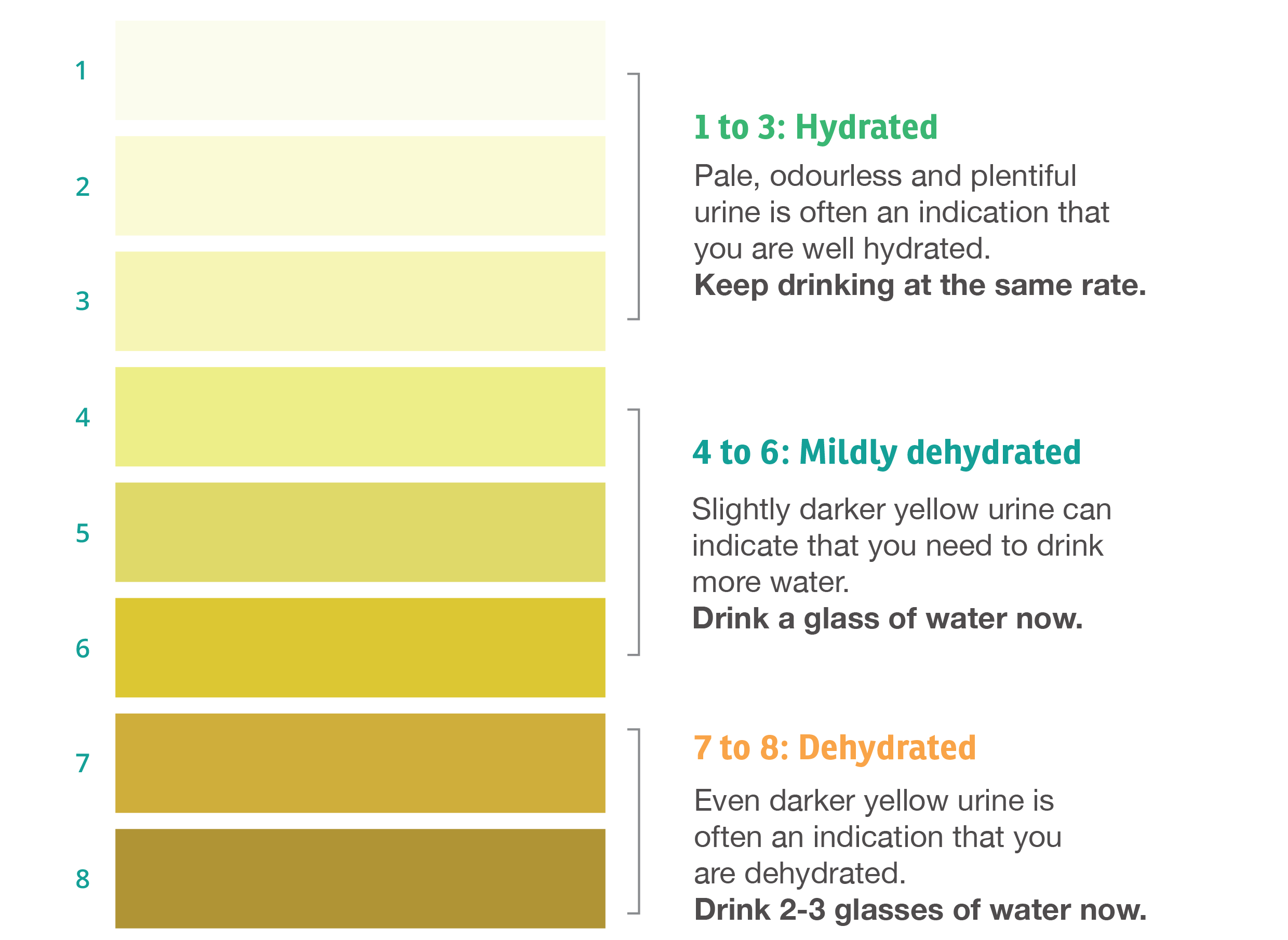
Research indicates that dehydration increases the risk of muscle cramps, tendon injury, and delayed recovery - all risk factors for stress fractures in athletes. While fluid needs vary by individual, a good rule of thumb is to ensure pale-coloured urine throughout the day, and to increase water intake on long runs or heavy training days.
Electrolytes such as sodium, potassium, magnesium, and calcium are also key for hydration and muscle function. When you sweat heavily, these minerals are lost, and replacing them helps prevent cramps, maintain nerve and muscle function, and supports recovery. Adding electrolytes to water can be beneficial on longer or more intense training sessions.
Body Composition Analysis: Investigating Your Risk Factors & Ensuring Optimal Training Performance
Every athlete is unique. That’s why we offer mini nutrition consults with a body composition scan that measures:
Muscle mass: Critical for absorbing impact and protecting bone.
Body fat percentage: To maintain optimal ranges to prevent risk to other body systems that sometimes struggle during training blocks.
Total body water: Affects recovery, performance, and injury risk.
This isn’t just tracking your weight like you do on home scales. This is real data that helps tailor your nutrition and training so you're stronger going into intense training blocks and not losing muscle mass which is critical for injury prevention.

Your Personalised Meal Plan
Whether you’re prepping for a marathon or entering a winter sports season, your fuel needs are different from your team mate or a running influencer online.
A personalised meal plan can help you match:
Training volume
Intensity
Recovery needs
Body composition goals
Meal plans also make grocery shopping and prep simpler - taking out the guesswork.
Injuries don’t have to interrupt your season. With tailored fuel and meeting your hydration demands, you can build resilience, adapt better to training stress, and enjoy your training more.
Book a Mini Consultation or Personalised Meal Plan today and let’s design a strategy that supports your goals - from start line to finish.