
Preconception Health: Why Preparing for Pregnancy Starts Before Conception
Written By Ashlee Green, Registered Clinical Nutritionist & Qualified Naturopath
When most people think about preparing for pregnancy, they focus on the months after conception. However, some of the most important influences on a baby's health begin long before a positive pregnancy test.
Preconception care is about optimising the health and nutritional status of both parents before conception occurs. Research continues to show that nutrition, lifestyle habits, environmental exposures, stress, sleep, and overall health in both the mother and father can influence fertility, pregnancy outcomes, and even the lifelong health of their future child.

Why Preconception Health Matters
Our genes provide the blueprint for how our bodies develop and function, but they don’t tell the whole story.
Lifestyle and environmental factors influence how our genes are expressed through a process known as epigenetics.
Nutrient status, inflammation, stress, environmental toxins and the gut microbiome can all influence gene expression before and during pregnancy - meaning the health of both parents before conception can play an important role in shaping the health and development of their child.
The health of both parents before conception may influence:
Fertility and conception rates
Pregnancy outcomes
Birth weight and growth
Brain and neurological development
Immune system function
Metabolic health
Future risk of obesity, diabetes and cardiovascular disease
It Takes Two: The Importance of Sperm Health
When discussing fertility, the focus is often placed almost entirely on women. But what we don’t often think about is that male factors contribute to approximately 40–50% of fertility challenges - making sperm health just as important as egg quality.
Sperm take around 90 days to develop and mature, meaning a father’s nutrition and lifestyle in the three months before conception can have a significant impact on sperm quality and reproductive health.
Factors that may negatively affect sperm health include:
Smoking
Excess alcohol intake
Poor nutrition
Obesity
Chronic stress
Poor sleep
Environmental toxins
Excessive heat exposure
Nutrient deficiencies
Key Nutrients for Healthy Sperm Production
Nutrition plays a vital role in sperm development, motility (how well sperm swim), morphology (their shape), and DNA integrity. When key nutrients are lacking, it can contribute to a lower sperm count, poorer sperm quality, and sperm that are more vulnerable to DNA damage.
Zinc plays an essential role in testosterone production, sperm formation and healthy sperm motility.
Selenium is a powerful antioxidant that helps protect sperm from oxidative damage while supporting healthy sperm motility and function.
Omega-3 fatty acids, particularly DHA, are important structural components of the sperm cell membrane and support healthy sperm function.
Folate (vitamin B9) is essential for DNA synthesis and cell division during sperm production. Alongside other B vitamins, folate helps support the accurate replication of genetic material as new sperm are formed.
Vitamin C is one of the most concentrated antioxidants found in seminal fluid. It helps protect sperm DNA from oxidative damage and may support sperm count, motility and morphology.
Coenzyme Q10 (CoQ10) supports energy production within the mitochondria - the "powerhouses" of the sperm cell. Because sperm require significant amounts of energy to swim effectively, CoQ10 may help support sperm motility and overall sperm quality.
Optimising Egg Quality
Unlike sperm, women are born with all of the eggs they will ever have. While the number of eggs cannot be changed, egg quality is strongly influenced by overall health.
The final maturation of an egg takes roughly 90 days of development, known scientifically as folliculogenesis, before it is finally selected and released.
Factors that support egg quality include:
Stable blood sugar levels
Adequate nutrient intake
Healthy body composition
Reduced inflammation
Good sleep
Effective stress management
Limiting exposure to environmental toxins
Key Nutrients for Healthy Egg Development
Egg cells require a constant supply of nutrients to support energy production, hormone balance and healthy cell division. As women age, oxidative stress naturally increases, making adequate nutrition even more important for protecting egg quality.
Some of the key nutrients involved in healthy egg development include:
Folate (vitamin B9) is essential for healthy DNA synthesis and cell division. Adequate folate status before conception supports healthy egg development and is critical for early embryonic development and neural tube formation.
Choline plays an important role in cell membrane structure, methylation pathways and brain development. Emerging research suggests that optimising choline intake before conception may support fertility and healthy fetal development.
Omega-3 fatty acids, particularly DHA, help regulate inflammation, support hormone production and contribute to the structure and function of healthy cell membranes. Adequate omega-3 intake may also support ovarian function and overall reproductive health.
Iron is important for ovulation, oxygen transport and energy production. Low iron stores have been associated with reduced fertility and can make it more difficult to meet the increased nutritional demands of pregnancy.
Vitamin D acts more like a hormone than a vitamin and plays an important role in reproductive hormone regulation, ovarian function and immune health. Adequate vitamin D status has been associated with improved fertility outcomes in some women.
Coenzyme Q10 (CoQ10) supports mitochondrial energy production within the egg. As women age, mitochondrial function naturally declines, and CoQ10 may help support the energy demands of healthy egg maturation while helping protect against oxidative stress.
Antioxidants, including vitamins C and E, help protect developing eggs from oxidative stress and free radical damage, supporting healthy egg quality and reproductive health.
Reducing Environmental Toxin Exposure
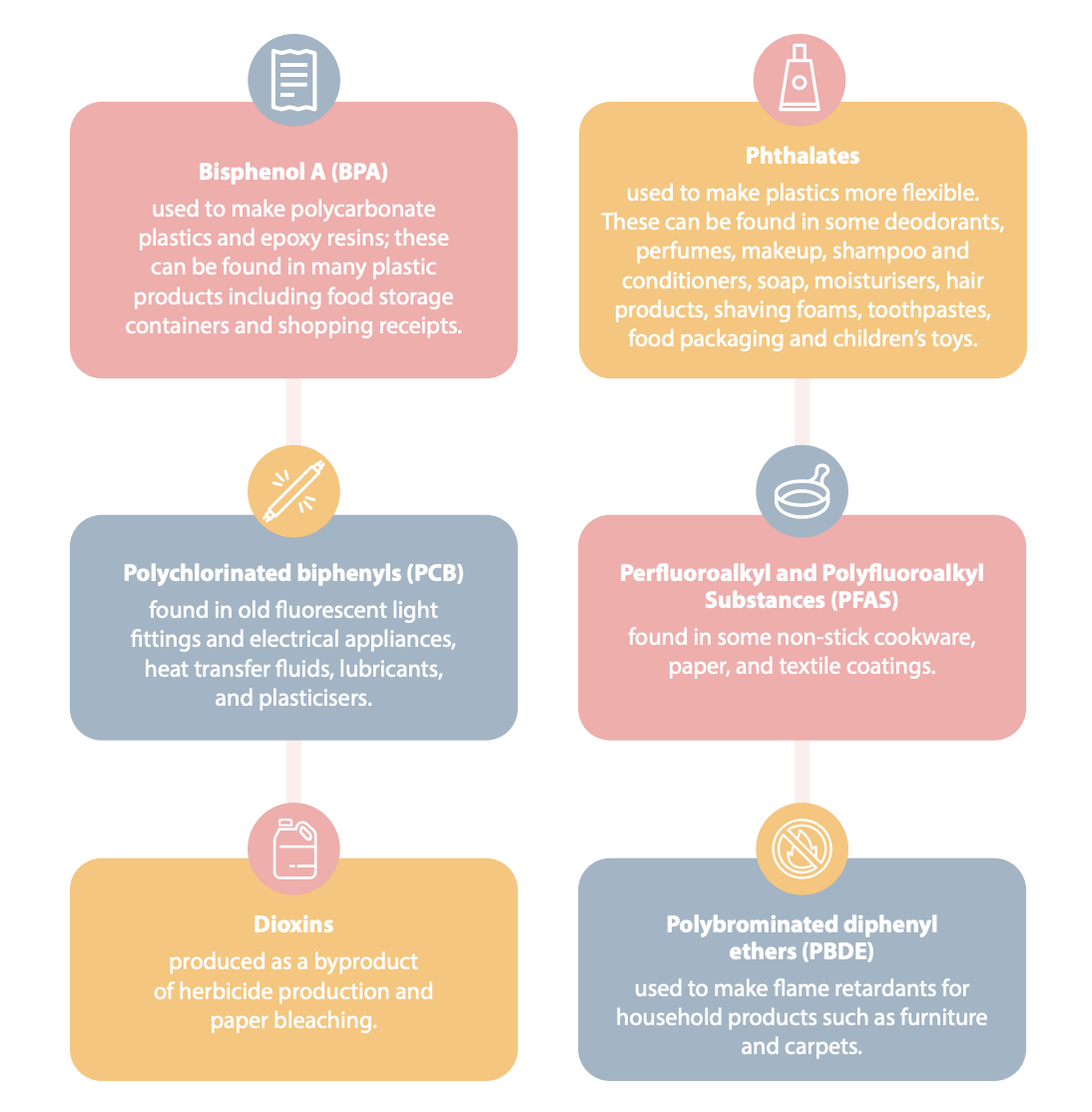
Modern life exposes us to a wide range of environmental chemicals that may interfere with hormone function and reproductive health. These endocrine-disrupting chemicals can be found in plastics, food packaging, cosmetics, cleaning products, pesticides and some personal care products.
Although complete avoidance isn't realistic, simple changes can help reduce overall exposure:
Choosing glass or stainless-steel food containers where possible
Avoiding heating food in plastic containers
Washing fruit and vegetables thoroughly
Choosing fragrance-free or lower-toxicity personal care and household products
Reducing exposure to cigarette smoke and excessive alcohol
Small changes made consistently can help reduce the body's overall toxic burden during this important period.
Preconception care is one of the most powerful opportunities to influence the health of the next generation.
The months before conception provide a critical window to optimise nutrition, reduce environmental toxin exposure, improve stress resilience, and address any underlying health concerns before pregnancy begins.
Preconception health is a shared responsibility. While much of the conversation has traditionally centred around women, we now know that the health of both parents contribute.
Whether you're planning to conceive in the coming months or simply thinking ahead, every positive change made before conception has the potential to make a meaningful difference and the best chance of a healthy pregnancy - providing your future child with the strongest possible foundation.