PMS, PMDD & Postpartum Rage: What’s Really Going On - and How Nutrition Can Help
Most women experience some level of emotional fluctuation with their cycle or after having a baby. But when mood swings turn into irritability, anger, or deep sadness - it’s a sign your body is under significant hormonal and neurological stress.
Let’s unpack what’s happening and how targeted nutrition and herbal support can make a profound difference.
Understanding the Difference
PMS (Premenstrual Syndrome)
PMS affects up to 75% of women. Typically occurs 1–2 weeks before a period, with symptoms like mood swings, bloating, and breast tenderness caused by shifts in estrogen and progesterone.
PMDD (Premenstrual Dysphoric Disorder)
PMDD is a severe form of PMS affecting around 5% of women. It’s not just “moodiness” - it’s a clinical condition involving serotonin dysregulation, inflammation, and often impaired liver clearance of estrogen metabolites.
Postpartum Rage
This is often overlooked, yet many women describe feeling an uncontrollable irritability or anger after having a baby. It’s linked to the sharp drop in estrogen and progesterone after birth, combined with sleep deprivation, nutrient depletion, and ongoing inflammatory or blood sugar stress.
Top 3 Diet Changes That Make the Biggest Impact
1. Stabilise Blood Sugar
Blood sugar fluctuations often worsen mood swings, anxiety, and irritability.
Include protein with every meal (red meat, chicken, eggs, Greek yoghurt, legumes, lentils).
Avoid skipping meals or “fasting” through breakfast.
Swap refined carbohydrates for slow-burning options like root vegetables, legumes and high fibre fruits.
2. Support Estrogen Clearance
An excess of “reactive” estrogen metabolites can drive PMS and PMDD symptoms.
Increase fibre and cruciferous vegetables (broccoli, cabbage, kale) to support liver detox pathways.
Add ground flaxseed (1–2 tbsp daily) to assist estrogen metabolism.
Ensure daily bowel movements - constipation slows hormone clearance, contributing to excess
3. Reduce Inflammatory Load
Inflammation worsens mood disorders by altering neurotransmitter production and increasing oxidative stress.
Limit processed foods, added sugars, seed oils, and alcohol.
Focus on omega-3 rich foods (salmon, sardines, chia seeds, walnuts).
Include antioxidant-rich produce - berries, leafy greens, beetroot.
Top Nutrients and Herbs That Can Help
1. Magnesium
Magnesium supports over 300 enzymatic reactions - including those involved in hormone regulation, blood sugar balance, and GABA production (your brain’s main calming neurotransmitter). Low levels are linked to PMS irritability, cramps, and poor sleep.
Best sources: pumpkin seeds, leafy greens, almonds, dark chocolate
Supplement form: magnesium glycinate or citrate
2. Vitamin B6
Vitamin B6 helps convert tryptophan to serotonin and supports progesterone synthesis - both vital for mood balance.
Best sources: chicken, salmon, eggs, chickpeas, sunflower seeds
Supplementation: particularly effective for PMS-related mood changes, in combination with magnesium.
3. Calcium and Vitamin D
Studies show women with low calcium and vitamin D are more likely to experience PMS mood swings. Vitamin D also plays a crucial role in dopamine and serotonin pathways.
Best sources: organic dairy, sardines, free range eggs, and safe sun exposure
Supplementation: especially helpful in postpartum, when demands are higher
4. Herbal Support (practitioner assessed)
Withania (Ashwagandha)
Withania is an adaptogenic herb that lowers cortisol and supports stress resilience - helpful for emotional instability and exhaustion seen in postpartum rage or PMDD.
Saffron
Saffron supports mood and emotional well-being through its effects on serotonin regulation. Research shows it can reduce PMS and PMDD symptoms such as irritability, mood swings, anxiety, and tension. Its antioxidant and anti-inflammatory properties may help stabilise the nervous system and improve overall emotional resilience.
Lemon Balm
Lemon Balm has calming, anti-anxiety properties that help soothe irritability, emotional overstimulation, and stress-related digestive tension. It is particularly helpful for PMS or postpartum symptoms involving anxiety, agitation, or sleep/digestive disturbance.
Passionflower
Passionflower supports the nervous system by reducing emotional reactivity, restlessness, and insomnia. It is beneficial for PMS, PMDD, or postpartum rage where there is heightened tension, anger surges, or difficulty winding down.
Vitex (Chaste Tree Berry)
Vitex supports healthy communication between the brain and ovaries, encouraging balanced luteinising hormone (LH) activity and supporting optimal progesterone levels. It is often used for PMS or PMDD, particularly where cycles are short or luteal progesterone is low.
St John’s Wort
Shown to improve mood, reduce PMS-related depression, and support serotonin levels.
Where to Get Help?
PMS, PMDD, and postpartum rage aren’t just emotional issues - they’re physiological imbalances involving hormones, nutrients, and neurotransmitters. The good news is that when you correct any underlying nutrient deficiencies, stabilise blood sugar levels, and support hormone metabolism, the intensity of symptoms often drops dramatically.
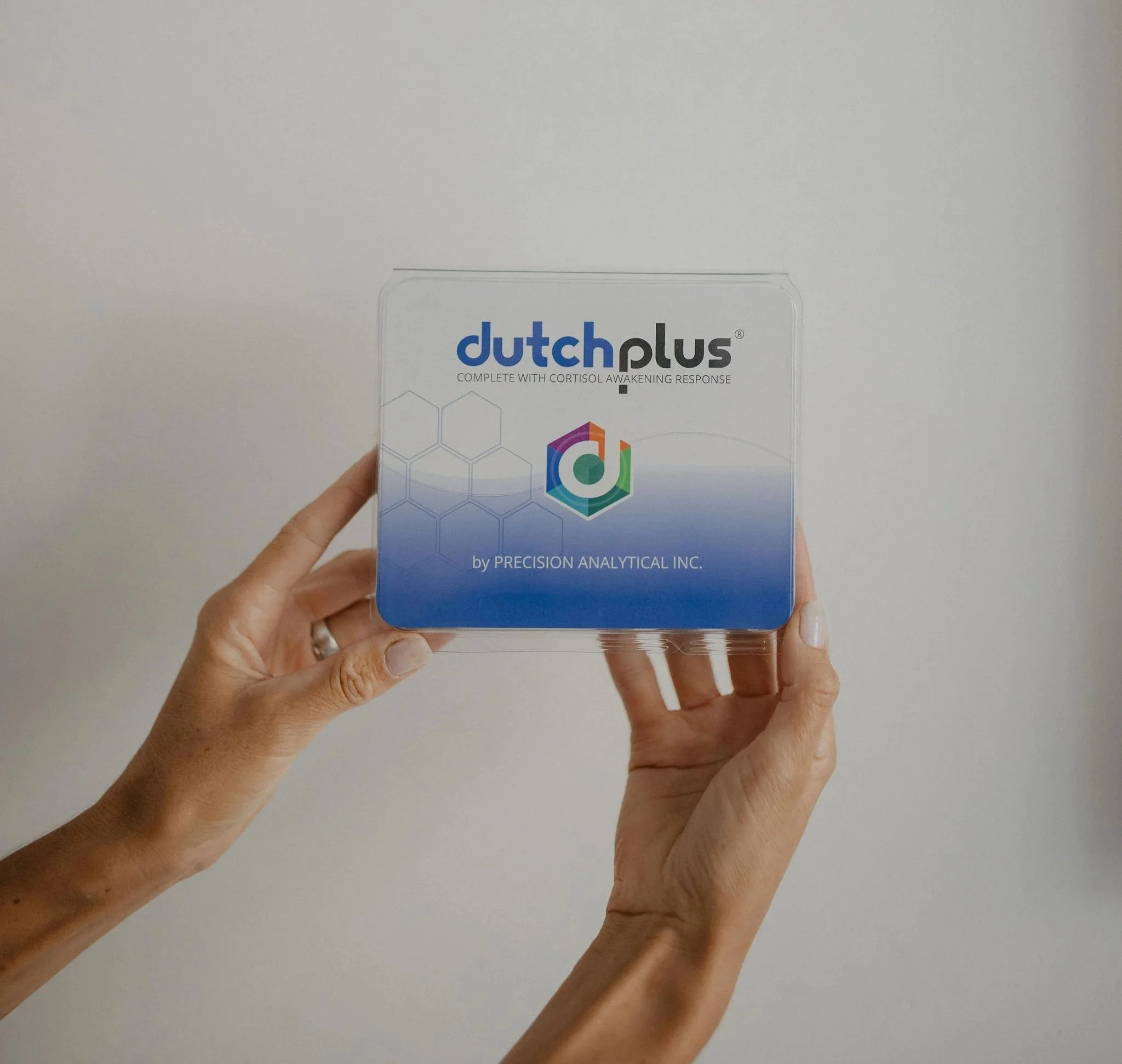
If you relate to these symptoms, comprehensive hormone, gut and nutrient testing can help identify what’s really driving your mood changes, and guide a personalised treatment plan.
Book with our team to discuss your symptoms and see if testing is right for you.